
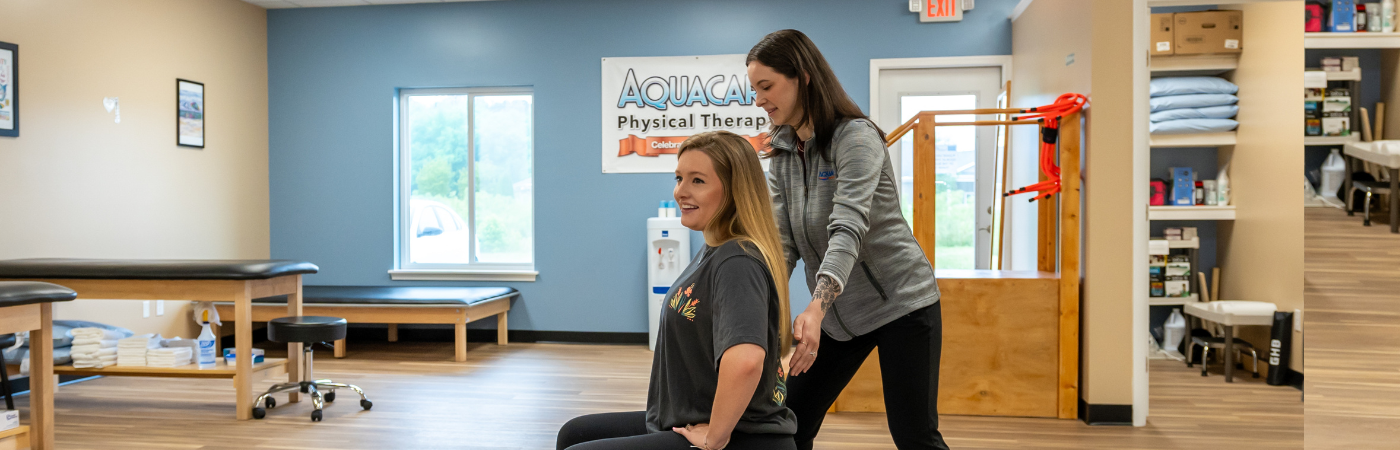
Women’s Pelvic Floor Physical Therapy
Pelvic floor dysfunction affects millions of women — yet it remains one of the most underdiagnosed and undertreated conditions in women’s health. Whether you’re dealing with bladder leakage, pelvic pain, recovery after childbirth, or the effects of menopause, Aquacare and Fitness Forum Physical Therapy offer specialized, evidence-based care to help you restore strength, regain control, and return to the life you love.
What Is the Pelvic Floor?
The pelvic floor is a group of muscles, ligaments, and connective tissues that form a supportive “hambock” at the base of your pelvis. Think of it as a net that holds your bladder, uterus, fallopian tubes, intestines, and rectum in place. These muscles are responsible for:
- Supporting the bladder, uterus, and rectum
- Controlling bladder and bowel function
- Stabilizing the spine and hips
- Contributing to sexual health and function
When the pelvic floor is too weak, too tight, or not coordinating properly, problems like pain, leakage, or pelvic pressure often follow.
Common Women’s Pelvic Health Conditions We Treat
Pelvic floor physical therapy addresses a wide range of conditions affecting women of all ages, including:
- Urinary incontinence (stress, urge, or mixed)
- Fecal incontinence and bowel control difficulties
- Constipation and irritable bowel syndrome (IBS)
- Bladder pressure or pain (interstitial cystitis)
- Pelvic organ prolapse (cystocele, rectocele, uterine prolapse)
- Uterine fibroids
- Endometriosis
- Pelvic inflammatory disease
- Pregnancy and postpartum recovery (perineal pain, diastasis recti, C-section scar)
- Pain with intercourse (dyspareunia, vulvodynia)
- Pelvic floor muscle dysfunction
- Post-surgical rehabilitation (hysterectomy, abdominal surgery)
- Low back, hip, and core weakness linked to pelvic instability
Because pelvic floor dysfunction frequently overlaps with orthopedic and hormonal issues, treatment at Aquacare is always highly individualized.
What Does the Research Say?
Pelvic floor physical therapy isn’t just effective — it’s the recommended first-line treatment for many of these conditions:
- A Cochrane Review found that pelvic floor muscle training outperforms medications and surgical options for stress and mixed urinary incontinence in women.
- Multiple clinical studies show significant improvements in chronic pelvic pain, sexual health, and quality of life following guided pelvic floor therapy.
- Research confirms that women with endometriosis experience improved pain relief and daily function after pelvic floor physical therapy, both during painful episodes and post-surgery.
In short: the evidence is strong, and pelvic floor therapy works.
What to Expect at Aquacare
Many women feel nervous or embarrassed about starting pelvic floor therapy. Our licensed therapists provide professional, respectful, and compassionate care in a private setting. Here’s what a typical course of treatment looks like:
Initial Evaluation
Your therapist will review your medical history, discuss your symptoms, and assess posture, breathing, core strength, and hip alignment. In some cases, a gentle internal examination may be performed to evaluate muscle tone and function. Your comfort and consent are always our top priority.
Your Personalized Treatment Plan
Based on your goals, your therapist designs an individualized program that may include:
- Pelvic floor strengthening or relaxation exercises (it’s much more than just Kegels)
- EMG biofeedback to retrain muscle control and coordination
- Manual therapy for tight muscles, trigger points, and scar tissue
- Breathing and core-stability techniques
- Postural re-education
- Education on bladder and bowel habits, activity modification, and daily strategies
Progress Over Time
Most patients notice meaningful improvement within a few weeks to a few months, depending on the severity of their symptoms and consistency with their home exercise program.
Watch the video on What to Expect with Pelvic Floor Therapy here.
Why Choose Pelvic Floor Physical Therapy?
- Non-invasive — address the root cause before considering medications or surgery
- One-on-one care from licensed therapists trained specifically in women’s pelvic health
- Whole-body approach, since pelvic health is connected to the spine, hips, and core
- Long-term results — you’ll leave with tools to manage your health for life
Explore Women’s Pelvic Health Topics
Learn more about specific conditions and how pelvic floor therapy can help:
- Urinary Incontinence
- Fecal Incontinence
- Constipation
- Bladder Pressure or Pain
- Uterine Fibroids
- Endometriosis
- Pelvic Inflammatory Disease
- Pelvic Prolapse
- Irritable Bowel Disease
- Pelvic Floor Muscle Dysfunction
Ready to take the first step toward relief?
If you’re experiencing bladder leakage, pelvic pain, or changes following childbirth or surgery, pelvic floor physical therapy may be exactly the solution you’ve been looking for. Aquacare Physical Therapy has pelvic floor specialists at most locations.
Contact us today to schedule a free screening or evaluation with one of our pelvic floor therapists.
Men experience pelvic floor dysfunction too. Visit our Men’s Pelvic Health page to learn more.

