Most people don’t think of gardening as a sport. But the data tells a different story — and so does your lower back the morning after a long afternoon in the beds.
More than 400,000 gardening injuries send Americans to the emergency room every year. Slips and falls alone account for approximately 115,000 of those cases annually. And research has compared the injury risk of gardening to that of rugby. The difference is that gardeners rarely warm up, rarely recognize when they’re overexerting, and rarely connect their lingering knee pain or wrist ache to what they were doing in the yard two days ago.
As a Physical Therapist Assistant with nine years of clinical experience and a Falls Prevention Specialist Certification, I want to change that. This article breaks down the most common orthopedic injuries that come from gardening, explains why they happen, and shows you how physical therapy — before and after injury — can keep you in the garden for years to come.
The Most Common Orthopedic Gardening Injuries
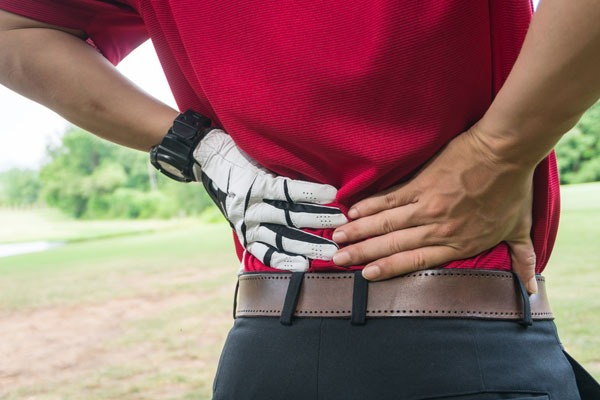
Lower Back Pain and Disc Strain
Bending, twisting, and lifting heavy bags of soil or mulch are among the top reasons gardeners end up in a physical therapy clinic. Repetitive forward flexion — the hunched posture most of us adopt when weeding or planting — compresses the lumbar discs and fatigues the muscles that support the spine. Over time, this can worsen existing disc degeneration or contribute to herniated discs, where the cushioning between vertebrae is damaged by repeated bending and twisting motions.
Gardener’s Knee: Prepatellar Bursitis and Beyond
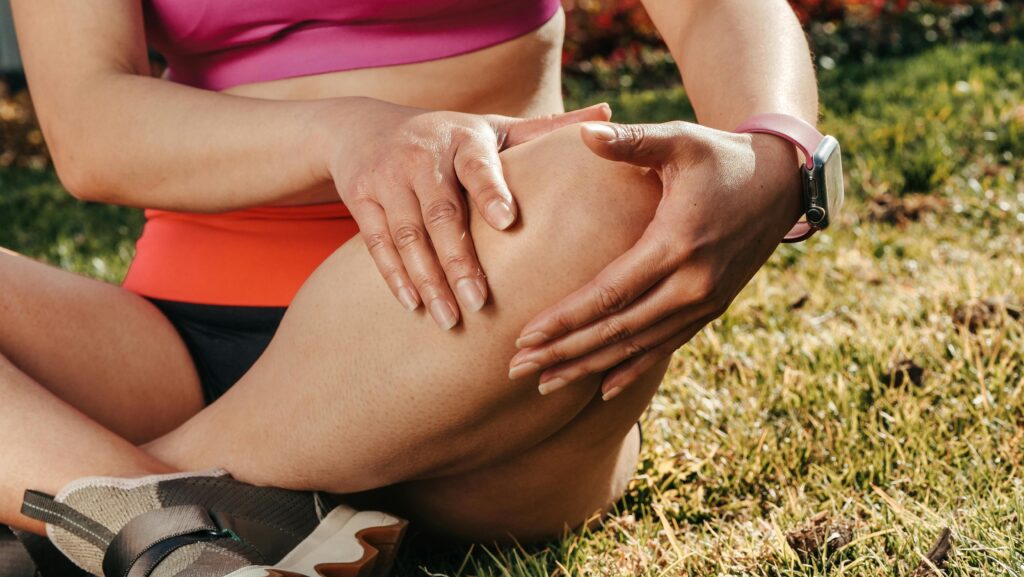
Kneeling for extended periods puts direct pressure on the bursa sac in front of the kneecap. This leads to prepatellar bursitis — sometimes called “gardener’s knee” — where the sac becomes inflamed and swollen. Prolonged squatting can also trigger patellofemoral pain syndrome, a condition more often associated with runners and athletes that causes pain around and behind the kneecap.
Tennis Elbow and De Quervain’s Tenosynovitis
Repetitive pruning and weeding are the culprits behind two of the most common upper-extremity gardening injuries. Lateral epicondylitis (tennis elbow) develops when the forearm tendons are overloaded by gripping and twisting motions. De Quervain’s tenosynovitis causes pain and swelling at the base of the thumb from repeated pinching and gripping actions — the exact motion used when pulling weeds or working a trowel.
Carpal Tunnel Syndrome
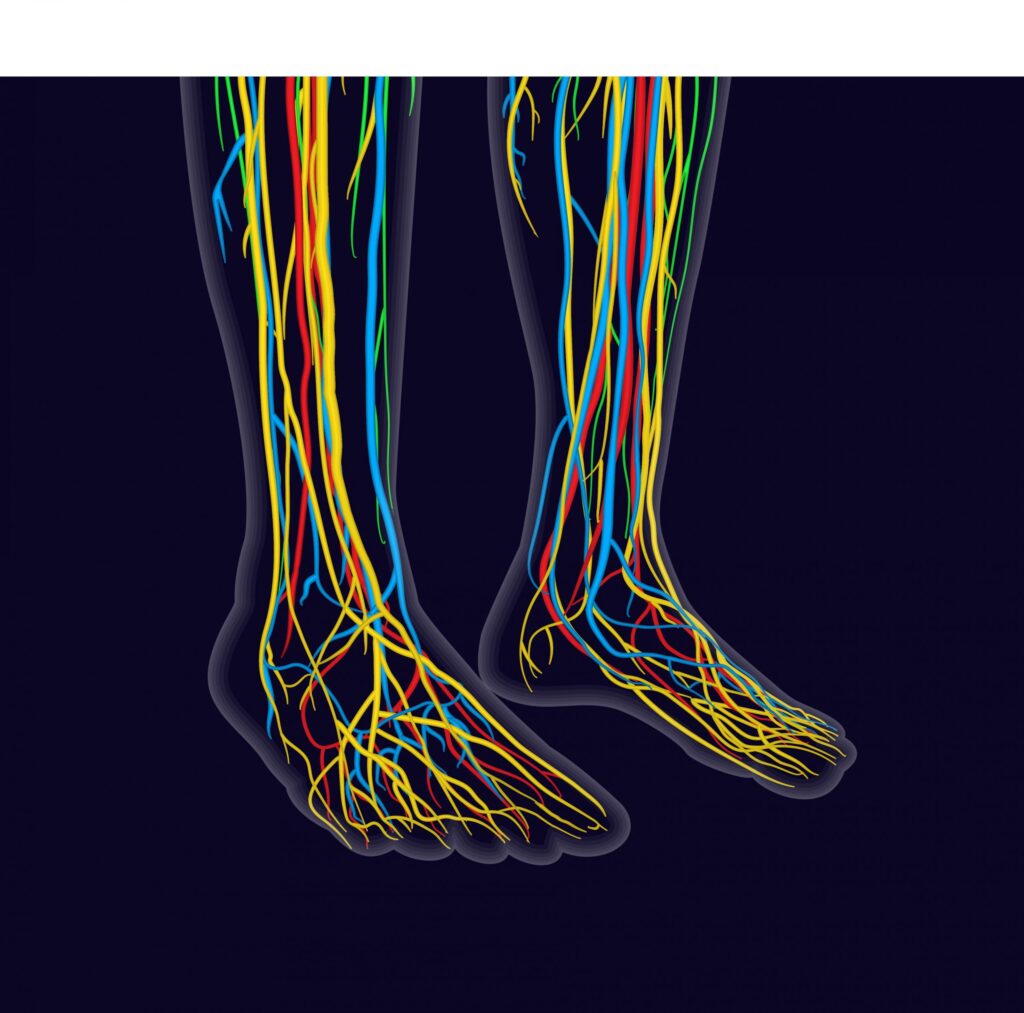
The repetitive hand motions required to dig, plant, and prune can gradually increase inflammation around the wrist’s median nerve, leading to pain, numbness, and tingling in the hand. Gardeners who already have mild carpal tunnel often find that a heavy weekend in the yard significantly worsens their symptoms.
Neck and Shoulder Pain
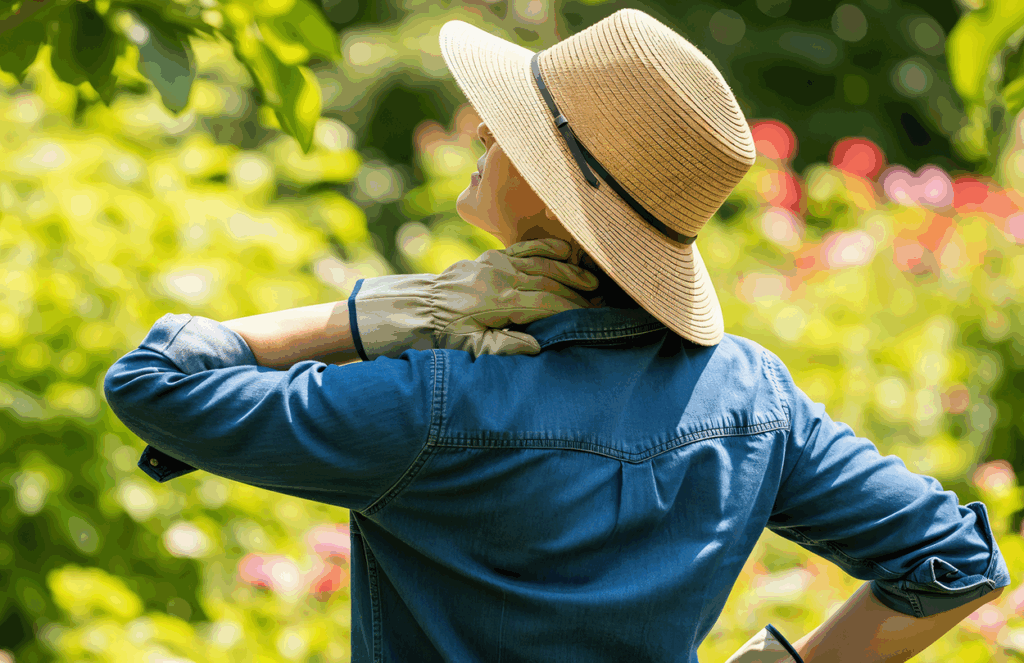
Overhead pruning, sustained awkward head positions while weeding, and carrying heavy loads at arm’s length all stress the cervical spine and rotator cuff. Shoulder tendonitis is particularly common in gardeners who spend time reaching overhead, and neck strain follows the repetitive forward-bent posture that gardening almost demands.
Falls and Fractures
Uneven surfaces, wet soil, tools left on the ground, and sloped terrain make the garden a high-risk environment for falls — especially for older adults. This is a population I work with closely, and fall-related fractures from gardening are more common than most people realize. Adults over 40 face the greatest risk of serious injury, and those in their 60s and 70s face the greatest risk of fatality from lawn and garden-related incidents.
Why Gardening Injuries Sneak Up on You
Unlike a sports injury that happens in a single moment, most gardening injuries develop gradually. The pain often doesn’t fully surface until a day or two after the activity — by which point many people can’t connect the cause to the symptom. This delay is one of the reasons gardeners tend to ignore early warning signs and continue working through discomfort until a minor strain becomes a significant injury.
Early season gardening poses a particular risk. After months of relative inactivity over winter, muscles and joints that haven’t been loaded in weeks are suddenly asked to perform hours of bending, gripping, lifting, and kneeling. The body simply isn’t ready for it.
How Physical Therapy Addresses Gardening Injuries
Physical therapy is not just for recovery — though it is highly effective at that, too. Here is what a physical therapist can do for gardeners at every stage.
Before Injury: Building a Body That Can Garden A physical therapist can assess your movement patterns, identify weaknesses or imbalances, and design a targeted strengthening program for the core, knees, and shoulders — the three areas most taxed by gardening. Flexibility and balance work can also reduce your risk of falls on uneven ground.
After Injury: Targeted, Non-Surgical Treatment For the most common gardening injuries — back strain, bursitis, tendonitis, carpal tunnel flare-ups — physical therapy provides hands-on care including manual therapy, therapeutic exercise, and modalities like heat, ice, and electrical stimulation to reduce pain and restore mobility. A physical therapist can also correct the movement patterns that caused the injury in the first place, so you don’t end up back on the table next spring.
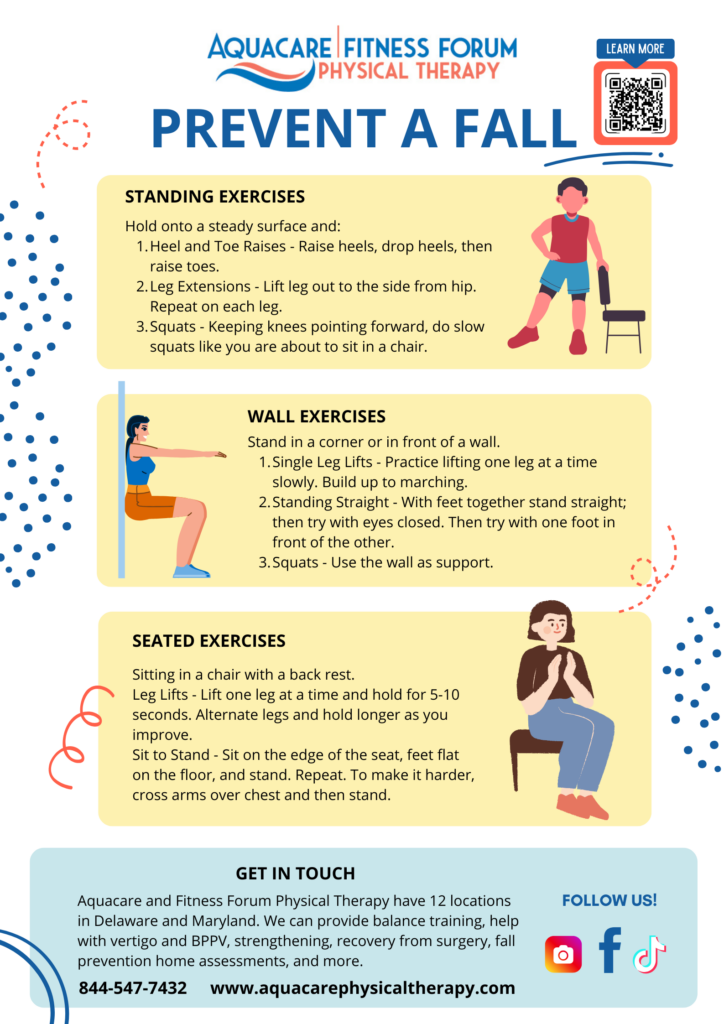
Falls Prevention: A Specialized Focus For older gardeners in particular, a falls prevention program can be life-changing. At Aquacare, we offer a specialized Falls Prevention and Treatment Program that addresses balance, gait, strength, and environmental awareness — all directly applicable to navigating the uneven, unpredictable terrain of a garden.
What You Can Do Right Now: A Pre-Gardening Routine
These evidence-based movement tips can meaningfully reduce your risk of injury before you pick up a trowel.
Warm up before you work. A brisk 5–10 minute walk raises your heart rate, loosens your joints, and prepares muscles for activity. Cold muscles are far more vulnerable to strain.
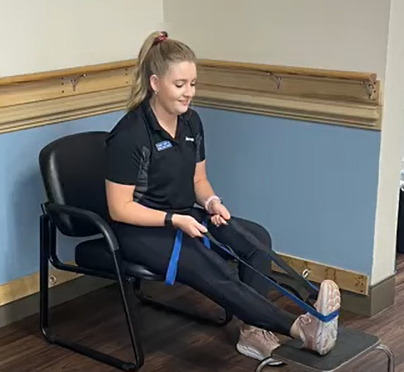
Stretch the key areas. Gently move your neck side to side and up and down, ten repetitions each. Do backward shoulder rolls to counteract the forward-flexed posture of gardening. Sit at the edge of a chair, straighten one leg, and reach gently toward your toes, holding 30–60 seconds per side to lengthen your hamstrings. Finish with ten ankle circles in each direction.
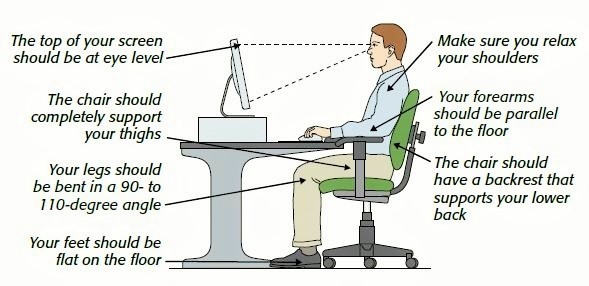
Mind your posture. Keep feet shoulder-width apart, engage your core, and avoid rounding your spine. Think of a string drawing you upward from the crown of your head.
Kneel and squat with intention. Use a quality knee pad. Place one foot flat on the ground and bring the opposite knee down to the pad rather than dropping into the position. When squatting, keep your feet flat, knees behind your toes, and your back straight with glutes and core engaged.
Rotate your tasks. Avoid staying in one position or repeating the same motion for more than 10–15 minutes at a time. Task rotation is one of the simplest and most effective ways to prevent overuse injuries.
Take breaks every 20–30 minutes. Stand up, walk around briefly, and reset your posture. This improves circulation, reduces muscle fatigue, and helps you stay aware of how your body is responding.
Stay hydrated. Dehydrated muscles fatigue faster and are more prone to cramping and strain — especially on warm days when gardening is most tempting.
When to Seek Physical Therapy
If pain, soreness, or stiffness from gardening lasts more than a few days, or if it is affecting your ability to do daily tasks, it is time to see a physical therapist. You do not need to wait for a diagnosis or a referral in many cases — and you do not need to just live with it.
Gardening should be something you can return to season after season. Physical therapy helps make that possible. Schedule a free consultation.
 Aquacare/Fitness Forum Physical Therapy