IASTM & Physical Therapy: An Innovative Treatment Option
By Katie Oakley, PTA, Aquacare Physical Therapy – Salisbury
ASTM is a form of manual therapy known as instrument-assisted soft tissue mobilization. IASTM uses handheld instruments coupled with specialized forms of massage to help physical therapists identify areas of restrictions and break up scar tissue.
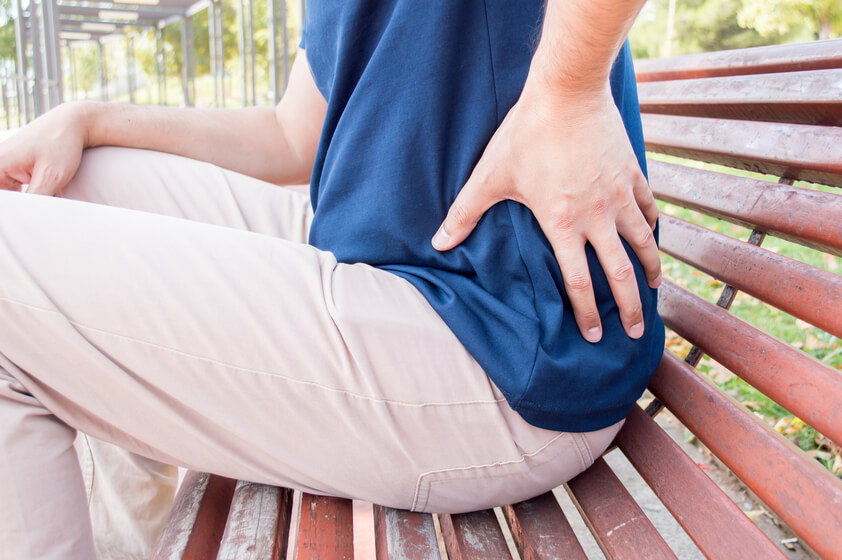
When an injury occurs to soft tissue, sca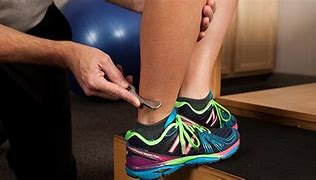 r tissue may form which can cause chronic pain. When scar tissue is present, patients may experience limited range of motion, prolonged stiffness, and increased muscle restrictions.
IASTM may treat acute and chronic conditions, such as, but not limited to:
- Muscle strains or sprains
- Achilles tendinosis
- Carpel tunnel syndrome
- Plantar fascia/fasciitis
- Rotator cuff tendinosis
- Shin splints
- Tennis/golfer’s elbow
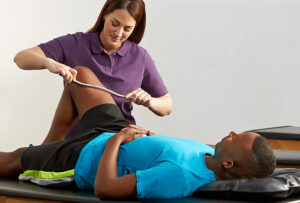
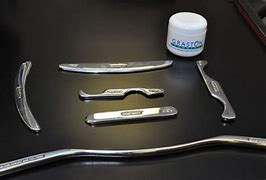 During treatment, the therapist will use a series a specialized tools. These specialized tools have rounded edges and utilize cross-friction massage to apply pressure to the scar tissue. The scar tissue is broken down and connective tissue is rearranged. This technique may produce temporary inflammation which benefits the injury by increasing the rate and amount of blood flow to the area, thus initiating the healing process of the affected tissue.
Benefits of IASTM:
- Aids in faster rehabilitation and recovery
- Reduces need for Non-steroidal anti-inflammatory medications
- Treats chronic conditions which were thought to be permanent
- Lowers overall treatment time
- Increases range of motion and strength
- Decreases pain
- Deep tissue level benefits
Schedule your appointment today.
References:
Kimberlin, L., 2020. IASTM Tools – Definitive Guide (Benefits, Working, Uses). [online] HealthHalt. [Accessed 4 August 2020].
Thomas Hyde, D., 2020. The Graston Technique: An Instrument Assisted Soft Tissue Manual Therapy For Back Pain. [online] Spine-health. [Accessed 4 August 2020].