How to prevent hand and wrist cramps when writing

How to Prevent Hand Wrist Cramps When Writing
Writing for extended periods can be both mentally and physically taxing. One common issue writers face is hand wrist cramps, which can disrupt the flow of thoughts and lead to discomfort. Understanding how to prevent hand wrist cramps when writing is essential for maintaining productivity and comfort. In this article, we’ll explore practical tips and exercises to help you keep hand wrist cramps at bay.
Hand wrist cramps during writing often stem from muscle fatigue, dehydration, poor posture, and repetitive strain. Prevent them by staying hydrated, maintaining proper posture and desk setup, using ergonomic tools, taking regular breaks, and incorporating gentle hand and wrist stretches. For relief, try massage and heat, and use over-the-counter pain relievers sparingly if needed. These strategies help sustain comfort and productivity in long writing sessions.
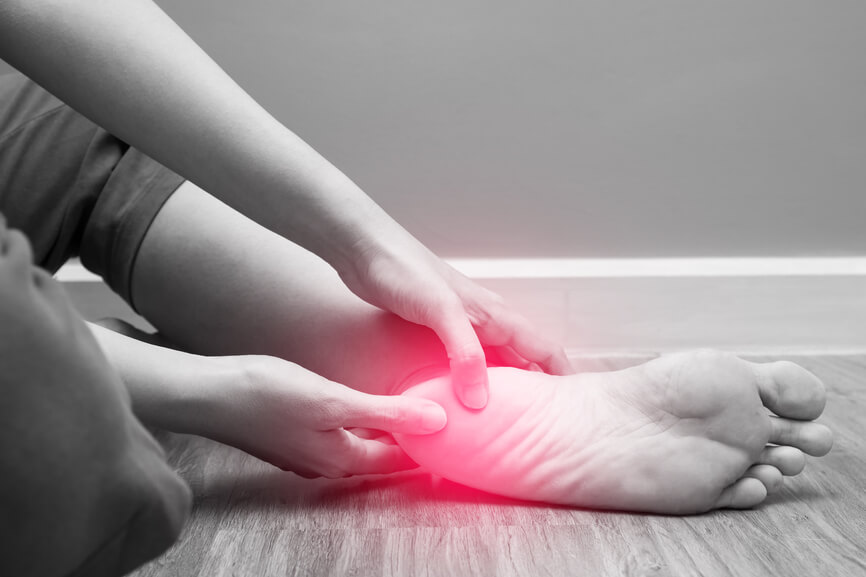
Hand wrist cramps are involuntary contractions or spasms in the muscles of your hand. These cramps can be caused by several factors, including muscle fatigue, dehydration, poor posture, or repetitive strain. Identifying the root cause can help in effectively preventing and managing hand wrist cramps.
Causes of Hand Cramps
- Muscle Fatigue: Overuse of hand muscles during writing can lead to fatigue and cramping.
- Dehydration: Lack of adequate hydration can affect muscle function and lead to cramps.
- Poor Posture: Improper posture can strain the muscles and nerves, causing discomfort.
- Repetitive Strain: Continuous, repetitive movements during writing can lead to strain and cramps.
Hand Health Tips for Writers
Maintaining good hand health is crucial for preventing cramps and ensuring long writing sessions remain comfortable. Here are some effective hand health tips:
Stay Hydrated
Keeping your body well-hydrated is essential for muscle function. Dehydration can lead to muscle cramps, so it’s important to drink plenty of water throughout the day, especially during long writing sessions.
Maintain Proper Posture
Proper posture is key to preventing strain on your hands and wrists. Ensure that your chair and desk are at the correct height, allowing your forearms to be parallel to the ground. Keep your back straight and shoulders relaxed to avoid unnecessary tension.
Use Ergonomic Tools
Investing in ergonomic tools can make a significant difference in preventing hand cramps. Consider using:
- Ergonomic Pens: These pens are designed to reduce strain on your fingers and hand muscles.
- Wrist Supports: Wrist supports can help keep your wrist in a neutral position, reducing strain.
- Adjustable Chairs and Desks: These allow for proper alignment and posture while writing.
Hand Stretch Exercises
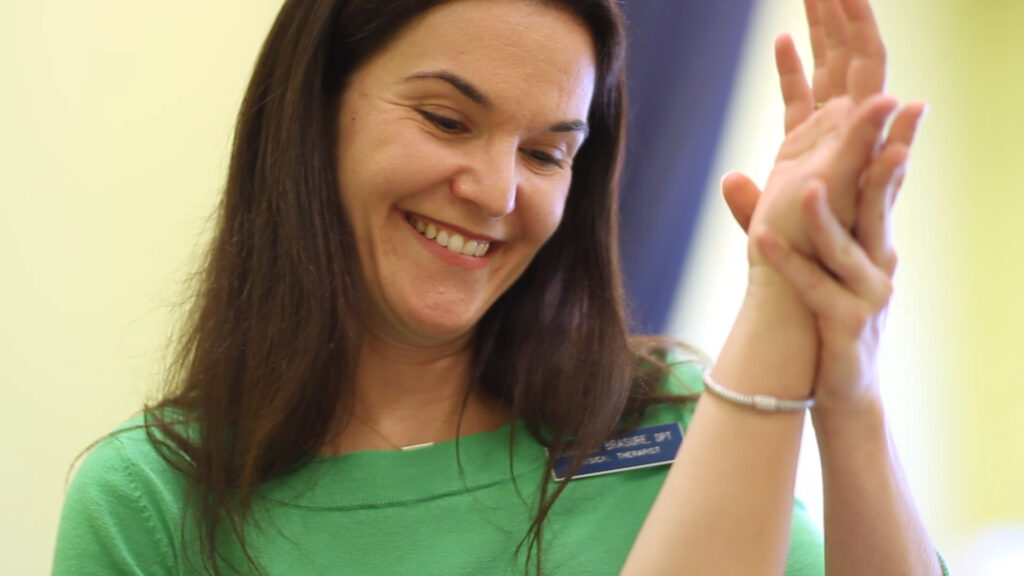
Incorporating hand stretch exercises into your routine can help prevent hand cramps by improving flexibility and circulation. Here are some simple exercises you can try:
Finger Stretch
- Extend your hand with fingers spread apart.
- Use your opposite hand to gently stretch each finger back one at a time.
- Hold for a few seconds and repeat with the other hand.
Wrist Flexor Stretch
- Extend your arm in front of you with your palm facing up.
- Use your opposite hand to gently pull your fingers back toward your body.
- Hold for 15-30 seconds and switch hands.
Thumb Stretch
- Extend your hand with fingers together.
- Use your opposite hand to gently pull your thumb away from your palm.
- Hold for a few seconds and repeat with the other hand.
Hand Clench and Release
- Make a fist with your hand, squeezing gently.
- Hold for a few seconds, then release and spread your fingers wide.
- Repeat several times with each hand.
Tips for Wrist Pain Prevention
Wrist pain can be a precursor to hand cramps, so taking steps to prevent wrist pain is crucial. Here are some tips:
- Take Regular Breaks: Avoid long periods of continuous writing. Take breaks every 30-60 minutes to rest your hands and stretch.
- Perform Wrist Exercises: Strengthening your wrist muscles through exercises can reduce the risk of pain.
- Avoid Excessive Pressure: Do not grip your pen too tightly or press too hard while writing.
Hand Cramp Relief Strategies
If you do experience hand cramps, there are strategies to relieve the discomfort:
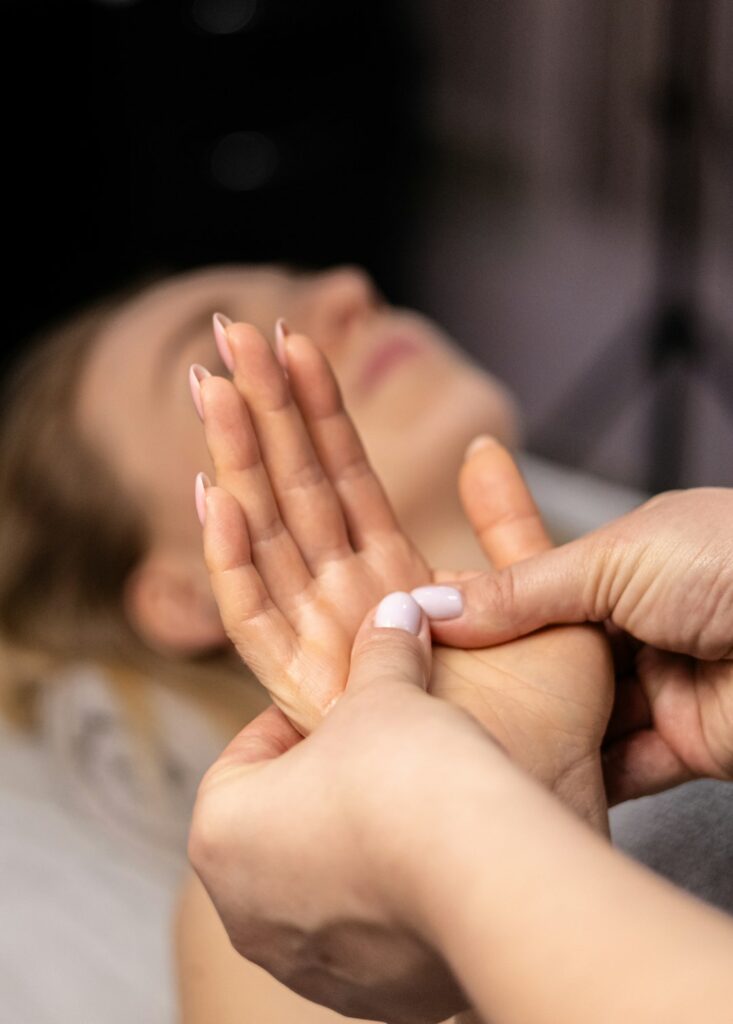
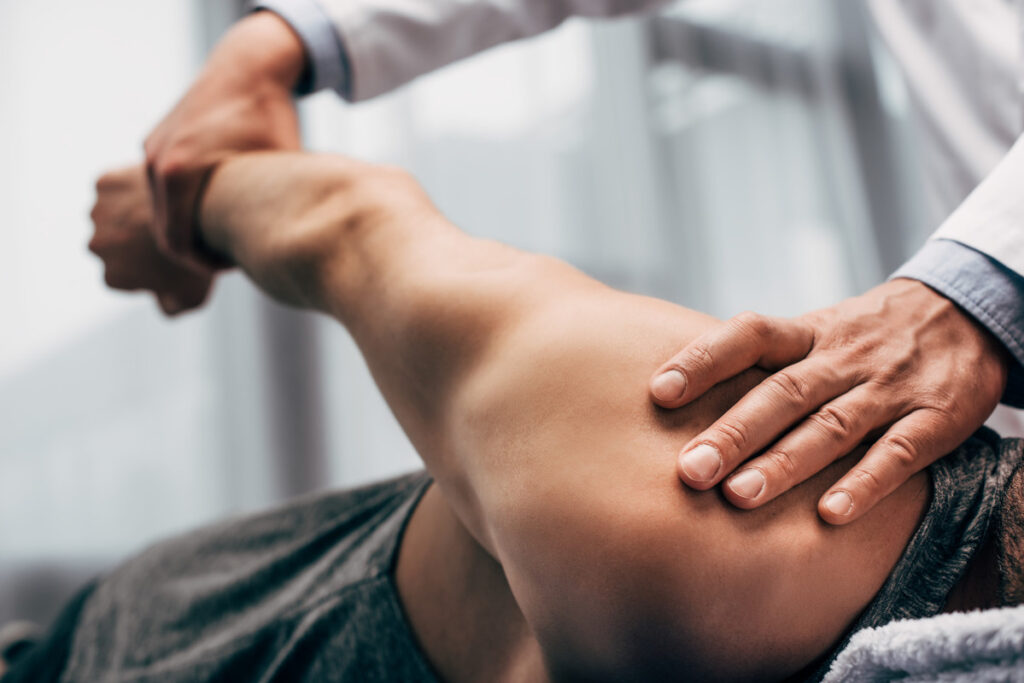
- Massage: Gently massaging the affected area can help relax the muscles and alleviate cramps. Use your opposite hand to apply light pressure and massage in circular motions.
- Heat Therapy: Applying a warm compress or soaking your hand in warm water can help relax tense muscles and relieve cramping.
- Over-the-Counter Pain Relief: If cramps are severe, over-the-counter pain relief medications like ibuprofen can help reduce inflammation and alleviate pain. However, use these sparingly and consult a healthcare professional if cramps persist.
Preventing hand cramps when writing involves a combination of proper technique, ergonomic tools, regular breaks, and targeted exercises. By following these hand health tips and wrist pain prevention strategies, you can keep your hands comfortable and focused, allowing you to write effectively and enjoyably. Remember, taking care of your hands is essential for your overall writing success.
Frequently Asked Questions
Question: What causes hand cramps when writing?
Short answer:Hand cramps are involuntary muscle spasms often brought on by muscle fatigue, dehydration, poor posture, and repetitive strain from continuous writing. Identifying which of these applies to you helps you target the right prevention strategy.
Question: How can posture and desk setup reduce hand cramps?
Short answer:Set your chair and desk so your forearms are parallel to the ground, keep your back straight and shoulders relaxed, and maintain a neutral wrist position. Adjustable chairs and desks make it easier to stay aligned and minimize strain.
Question: Which ergonomic tools are most helpful for preventing cramps?
Short answer:Use ergonomic pens to reduce finger strain, wrist supports to keep your wrists neutral, and adjustable chairs and desks to sustain good posture during long writing sessions.
Question: What simple stretches can I do during breaks?
Short answer:Try the finger stretch (gently pull each finger back), wrist flexor stretch (palm up, pull fingers toward you for 15–30 seconds), thumb stretch (gently pull the thumb away from the palm), and hand clench-and-release (make a light fist, then spread fingers wide). Do these on both hands during breaks every 30–60 minutes.
Question: What should I do if I get a hand cramp while writing?
Short answer:Pause and gently massage the area, apply heat with a warm compress or soak, and consider over-the-counter pain relief like ibuprofen sparingly. If cramps persist, consult a healthcare professional.
Question: How often should I take breaks to prevent hand cramps?
Short answer:Take short breaks every 30–60 minutes. Use the time to rest your hands and do a few gentle stretches to reduce muscle fatigue and repetitive strain.
Question: What posture and desk setup helps most?
Short answer:Sit with your back straight and shoulders relaxed. Adjust your chair and desk so your forearms are parallel to the ground and your wrists stay neutral. Adjustable chairs and desks make it easier to maintain this alignment and minimize strain.
Question: How can I adjust my grip to reduce strain while writing?
Short answer:Avoid gripping the pen too tightly or pressing too hard on the page. Use an ergonomic pen to encourage a lighter, more relaxed grip and decrease finger and hand muscle fatigue.
Question: Which quick stretches are best during writing sessions?
Short answer:Do the finger stretch (gently pull each finger back), wrist flexor stretch (palm up, pull fingers toward you for 15–30 seconds), thumb stretch (gently pull the thumb away from the palm), and hand clench-and-release (make a light fist, then spread fingers wide). Repeat on both hands during breaks.
Question: What should I do if a cramp starts while I’m writing?
Short answer:Pause and gently massage the area, apply heat with a warm compress or warm-water soak, and consider over-the-counter pain relief like ibuprofen sparingly. If cramps persist, consult a healthcare professional.