Understanding the Role of Physical Therapy in Chronic Pain Management
Chronic pain can significantly impact a person's quality of life, making physical therapy an essential component of management strategies. Physical therapists employ various techniques to alleviate pain, improve mobility, and enhance overall function, allowing patients to regain control over their lives.
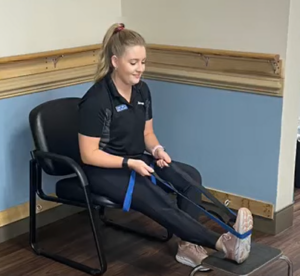
For instance, therapeutic exercises, manual therapy, and modalities such as ultrasound or electrical stimulation can help reduce pain levels. Research indicates that patients who engage in physical therapy for chronic conditions often experience better outcomes compared to those who rely solely on medication.
Benefits of Post-Surgery Rehabilitation
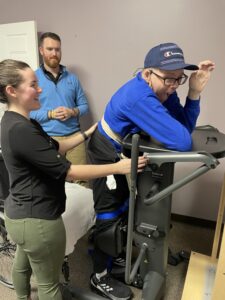
Post-surgery rehabilitation is crucial for restoring function and ensuring a successful recovery. Physical therapy can help patients regain strength, flexibility, and range of motion after surgical procedures, facilitating a smoother transition back to daily activities.
For example, individuals recovering from knee or hip surgery often participate in tailored rehabilitation programs that include strengthening exercises and gait training. Studies show that patients who engage in structured rehabilitation tend to recover faster and experience fewer complications.
How to Choose the Right Physical Therapist
Selecting the right physical therapist is vital for effective treatment and optimal recovery. Patients should consider factors such as the therapist's qualifications, areas of specialization, and their approach to treatment to ensure a good fit for their specific needs.
Additionally, seeking recommendations from healthcare providers or reading patient reviews can provide insights into a therapist's effectiveness. It's also beneficial to schedule an initial consultation to discuss treatment goals and expectations, fostering a collaborative therapeutic relationship.
The Importance of Consistency in Physical Therapy
Consistency is key to achieving the best outcomes in physical therapy. Regular attendance at therapy sessions and adherence to prescribed home exercise programs can significantly enhance recovery and progress.
Research highlights that patients who consistently follow their therapy regimen not only experience faster recovery times but also maintain long-term benefits. Establishing a routine and setting achievable goals can help patients stay motivated and committed to their rehabilitation journey.