Every January, motivation is high—and then real life hits. Schedules get busy. Old aches flare up. The workouts you promised yourself start to feel like one more thing you should do, instead of something that actually fits your life. Setting clear physical therapy goals can help you stay focused.
That’s where physical therapy can change the story. PT isn’t only for post-surgery rehab or major injuries. It’s also one of the smartest ways to build a routine you can maintain—because it’s based on how your body moves today, what’s limiting you, and what will help you progress safely.
Establishing your personal physical therapy goals is vital for effective recovery and long-term wellness.
Step 1: Make your physical therapy goals specific—and body-based
“Get in shape” is a wish. A better goal sounds like:
Walk 30 minutes without back pain
Start strength training without knee flare-ups
Improve balance and confidence on stairs
Return to pickleball/golf/running without lingering pain
When your goal is connected to a real-life activity, it becomes easier to plan—and easier to measure.
Step 2: Identify what’s actually getting in the way
Most people don’t quit because they’re lazy. They quit because something hurts, feels unstable, or doesn’t make sense.
A physical therapist looks for the “why” behind the struggle—like:
tight hips and weak glutes driving knee pain
limited ankle mobility affecting balance
poor core endurance contributing to back pain
old injuries changing the way you move without you noticing
Once you know the root issue, your plan stops being random—and starts working.
Step 3: Start where you are (not where you think you “should” be)
The fastest way to derail a New Year routine is to start too aggressively. PT helps you choose the right starting point and progress at a pace your body can handle.
That might mean beginning with:
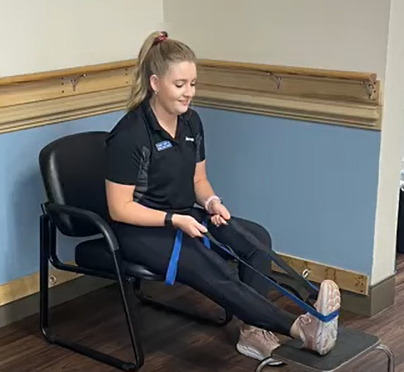
low-impact strength (bands, bodyweight, machines)
mobility and joint-friendly movement
walking plans that build gradually
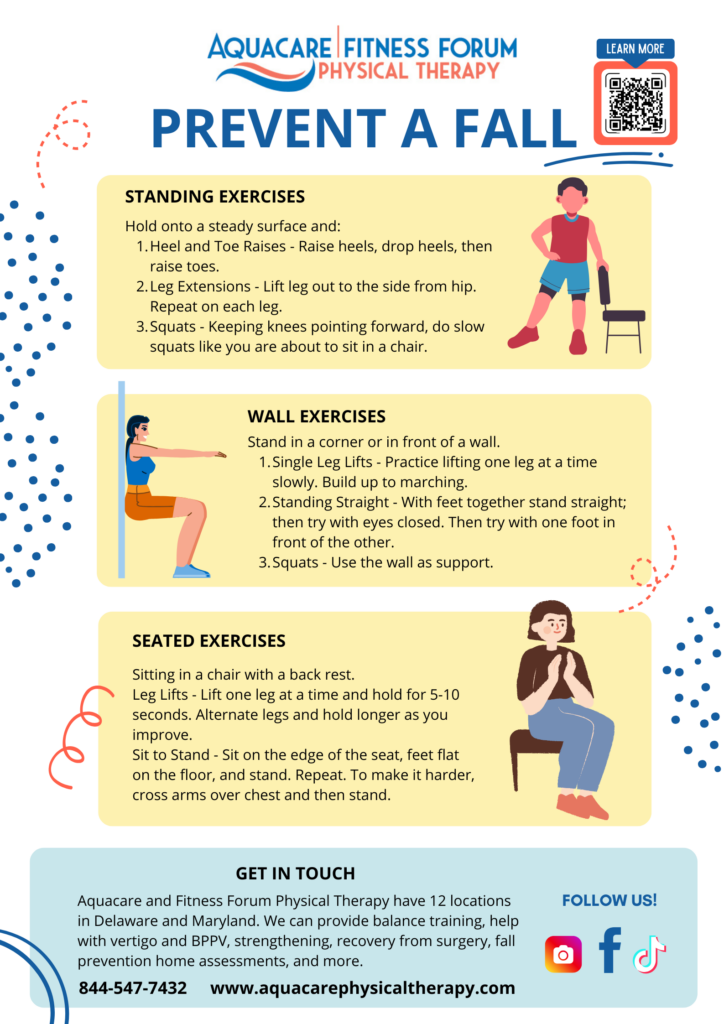
balance training and fall-prevention work
guidance on safe cardio options if joints are sensitive
Step 4: Use PT to build a routine you can actually keep
Physical therapy is practical. It’s not a generic program. Your exercises are chosen for your needs, your schedule, and your goals—so you’re more likely to do them.
A strong PT plan usually includes:
short home routines you can repeat
clear progressions (what to do next week, and why)
movement “rules” that keep you safe (what’s okay vs. what’s a red flag)
strategies for soreness, flare-ups, and busy weeks
That’s how goals survive beyond January.
Step 5: Don’t ignore pain—use it as information
Pain doesn’t always mean damage, but it does mean your body is asking for a better approach. Physical therapists help you learn the difference between normal muscle fatigue and the kind of pain that signals irritation, overload, or faulty mechanics.
Getting that clarity early is often the difference between continuing—and stopping.
Make This Your Year
If you’re setting goals this season, don’t white-knuckle your way through them. A plan that fits your body is a plan you can keep.
Physical therapy can help you move better, feel stronger, and build a realistic routine—whether you’re returning to exercise, managing chronic aches, recovering from an injury, or simply trying to stay active without setbacks.

 Aquacare/Fitness Forum Physical Therapy