Golf Wrist Injury: Pain Relief & Prevention Tips
CALL NOW TO SCHEDULE
Physical Therapy for Golf Wrist Injury

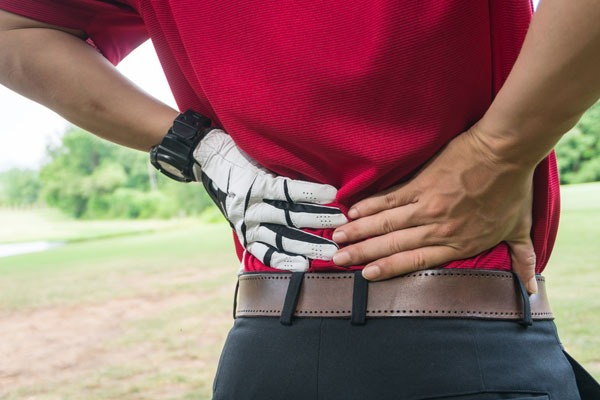
Golf is a beloved sport enjoyed by millions worldwide, but it’s not without its physical challenges. One common issue golfers face is wrist pain, often referred to as a golf wrist injury. Whether you’re an amateur or a seasoned pro, understanding why you might experience a sore wrist from golf, how to prevent it, and ways to treat it can enhance your game and keep you on the course.
Golf wrist injury is commonly caused by repetitive swinging, poor technique, overuse, inadequate warm-up, or ill-fitting equipment. Prevention focuses on proper mechanics, appropriate clubs, and a thorough warm-up, while treatment includes rest, ice, bracing, and short-term NSAIDs. Recovery is supported by guided rehab, a gradual return to play, and symptom monitoring, with stretches and grip-strengthening exercises building resilience. Seek medical care for severe swelling, loss of motion, numbness/tingling, or pain that doesn’t improve.
Aquacare Physical Therapy has several team members who are TPI certified golf therapists.

Understanding Golf Wrist Pain
Golf wrist injury often arises due to the repetitive motions involved in swinging clubs. The wrists are crucial in controlling the clubface and generating power, but improper technique or overuse can lead to strain or injury.
Common Causes of Wrist Pain in Golf
- Improper Swing Technique: A swing that involves too much wrist action can put undue stress on the joints.
- Overuse: Playing golf frequently without adequate rest can strain the wrist muscles and tendons.
- Inadequate Warm-up: Skipping warm-up exercises can make your muscles and joints more susceptible to injury.
- Inappropriate Equipment: Using clubs that are too heavy or not suited to your grip can contribute to wrist strain.
Golf Injury Prevention Tips
Preventing wrist pain is crucial for long-term enjoyment of the sport. Here are some strategies to reduce your risk of injury:
- Adopt Proper Technique: Ensure your swing technique is correct. Work with a golf instructor to refine your grip and swing mechanics. Proper technique minimizes unnecessary strain on your wrists.
- Use the Right Equipment: Choose clubs that match your strength and grip size. Custom-fitted clubs can make a significant difference in reducing stress on your wrists.
- Warm-Up Before Playing: Spend at least 10 minutes warming up your muscles and joints before hitting the course. Simple exercises like wrist rotations, arm circles, and light swings can prepare your body for the game.
- Treatment for Sore Wrist: If you find yourself with a sore wrist despite your best efforts, it’s important to address it promptly to prevent further damage.
- Rest and Ice: Rest your wrist and avoid activities that exacerbate the pain. Apply ice packs for 15-20 minutes several times a day to reduce swelling and pain.
- Use a Wrist Support: Wrist supports or braces can help stabilize the wrist and prevent further strain. They’re especially useful if you continue to play while recovering.
- Over-the-Counter Pain Relief: Nonsteroidal anti-inflammatory drugs (NSAIDs) like ibuprofen can help alleviate pain and reduce inflammation. Always follow the dosage instructions on the package.
Wrist Injury Recovery
Recovery from a golf-related wrist injury requires patience and care. Here’s a guide to help you get back to swinging without pain:
- Follow a Rehabilitation Program: Consider seeing a physical therapist who can guide you through exercises designed to strengthen your wrist and improve flexibility. This can aid in a faster recovery and prevent future injuries.
- Gradual Return to Golf: Once the pain subsides, return to golf gradually. Start with short sessions and avoid full swings until your wrist feels strong enough to handle more pressure.
- Monitor Your Progress: Keep track of your pain levels and any improvements. If the pain persists or worsens, consult with a healthcare professional to ensure there’s no serious underlying injury.
Sore Wrist Exercises
Incorporating specific exercises can help strengthen your wrists and prevent future injuries. Here are a few to consider:
Wrist Flexor Stretch
- Extend your arm in front of you with your palm facing up.
- Use your other hand to gently press down on your fingers, stretching your wrist.
- Hold for 15-30 seconds and repeat on the other hand.
Wrist Extensor Stretch
- Extend your arm with your palm facing down.
- Use your opposite hand to gently pull back on your fingers.
- Hold for 15-30 seconds and repeat on the other hand.
Grip Strengthening
- Squeeze a soft stress ball or a hand grip strengthener.
- Hold the squeeze for a few seconds and release.
- Repeat 10-15 times with each hand.
When to See a Doctor
While many cases of golf wrist pain can be managed at home, certain symptoms require professional attention:
- Severe pain or swelling
- Inability to move your wrist or fingers
- Numbness or tingling in your hand
- Pain that doesn’t improve with rest or over-the-counter medication
Consulting with a healthcare provider can ensure you receive the appropriate care and prevent long-term damage.
Wrist pain is a common complaint among golfers, but with the right approach, it can be effectively managed and even prevented. By understanding the causes, adopting preventive measures, and following appropriate treatment plans, you can enjoy golf without the burden of wrist pain. Remember, a healthy wrist is key to maintaining your game and enjoying the sport for years to come. Stay proactive, and happy golfing!