Understanding Pelvic Floor Dysfunction
Pelvic floor dysfunction is a common issue that affects both men and women, leading to a range of symptoms including pain, incontinence, and sexual dysfunction. It occurs when the pelvic floor muscles are too weak or too tight, resulting in an inability to properly support the pelvic organs.
Conditions such as urinary incontinence, pelvic pain, and erectile dysfunction can stem from pelvic floor dysfunction. Understanding these symptoms is crucial for seeking appropriate treatment. Early intervention can significantly improve quality of life, making it essential to consult a specialist if any of these issues arise.
Benefits of Pelvic Floor Physical Therapy
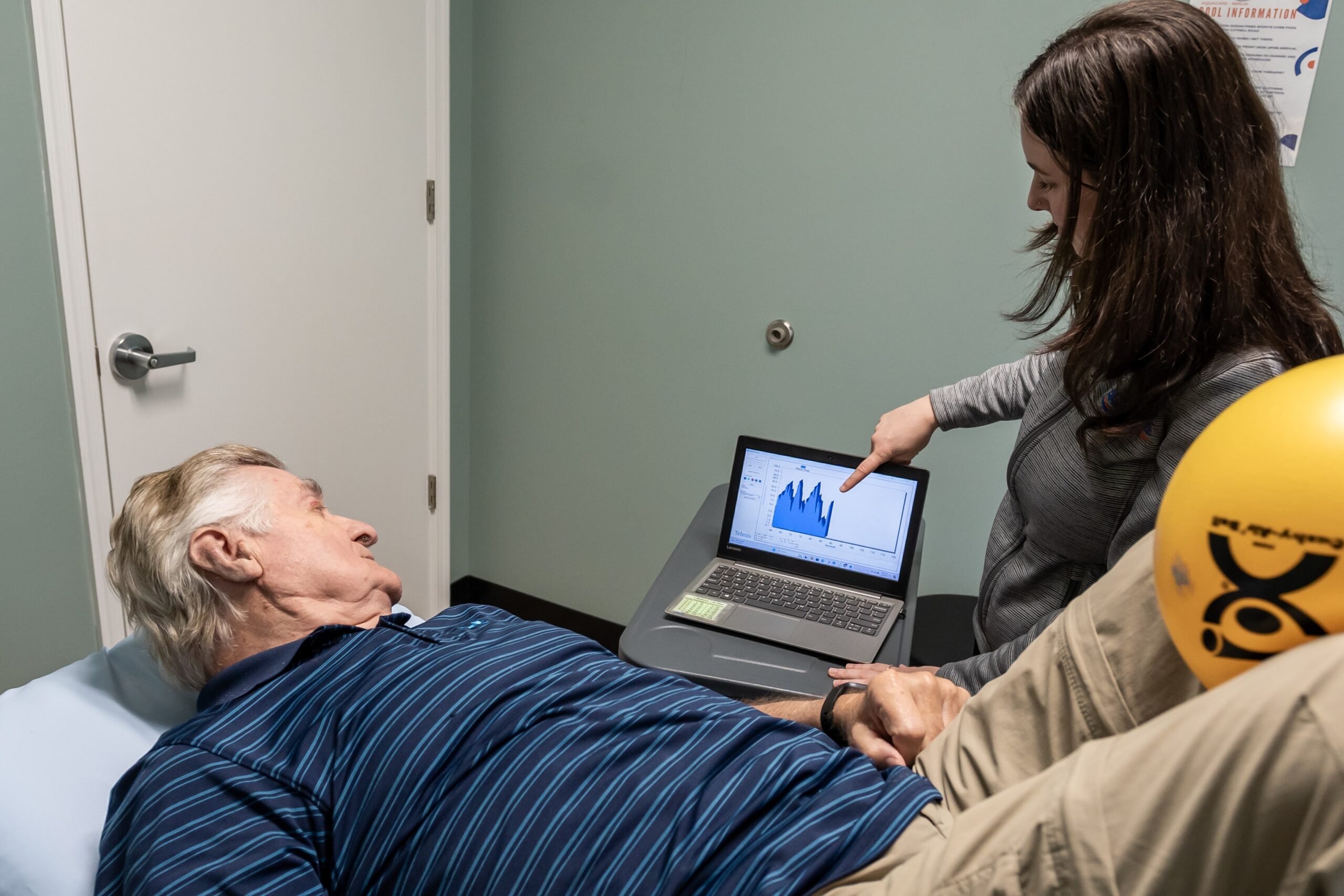
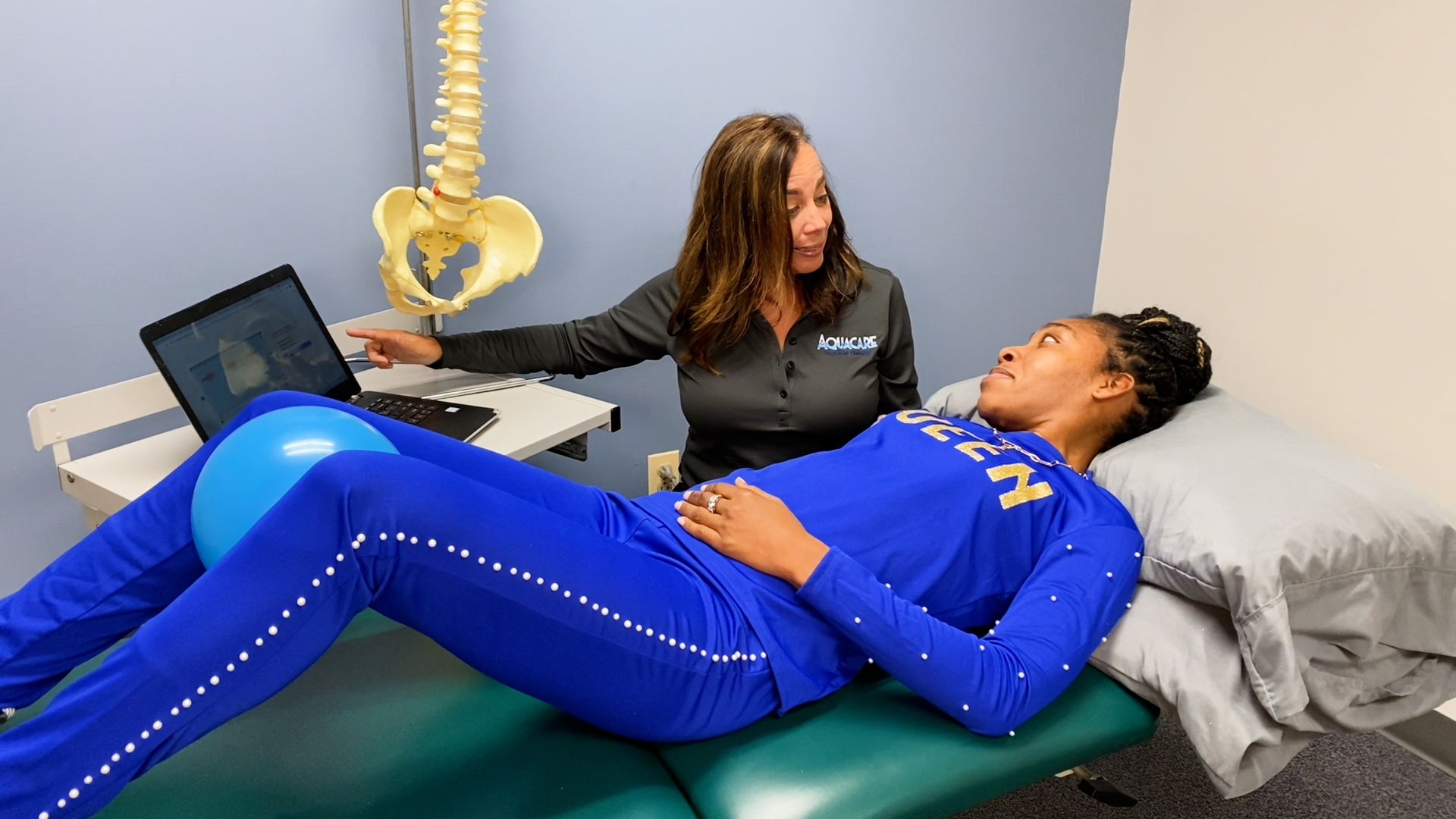
Pelvic floor physical therapy offers numerous benefits, including improved muscle strength, reduced pain, and enhanced overall pelvic health. This therapy aims to restore proper function to the pelvic floor, helping to alleviate symptoms associated with various pelvic health conditions.
Patients often report increased comfort during daily activities and improved sexual health following therapy. Additionally, pelvic floor therapy can provide patients with valuable education on body mechanics and self-care strategies, empowering them to manage their symptoms effectively.
Conditions Treated with Pelvic Floor Therapy
Pelvic floor therapy is effective in treating a variety of conditions, including urinary incontinence, pelvic pain, and sexual dysfunction. These conditions can arise from various factors, including surgery, childbirth, or chronic health issues, making specialized treatment essential.
By addressing the underlying causes of these conditions, pelvic floor therapy helps patients regain control and improve their quality of life. Techniques used may include manual therapy, exercises, and biofeedback, tailored to each individual's needs for optimal results.
How to Prepare for Your Appointment
Preparing for your pelvic floor therapy appointment can help ensure a productive session. It is advisable to arrive with a list of symptoms, medical history, and any questions you may have regarding your treatment plan.
Patients should also consider wearing comfortable clothing that allows for easy movement. Understanding what to expect during the initial evaluation can alleviate anxiety, as therapists will guide you through the process and discuss personalized treatment options tailored to your specific needs.