Importance of Stretching for Multiple Sclerosis
Stretching is a vital component of managing multiple sclerosis, as it helps improve flexibility and reduce muscle stiffness. Regular stretching can enhance mobility and overall physical function, making daily activities easier for individuals living with this condition.
Research indicates that consistent stretching routines can lead to significant improvements in muscle tone and coordination for those with multiple sclerosis. By incorporating stretches specifically designed for their needs, patients can experience reduced tension and increased comfort throughout their day-to-day lives.
Recommended Stretches for Individuals with Multiple Sclerosis
There are several effective stretches tailored for individuals with multiple sclerosis that can help alleviate symptoms and improve physical well-being. These stretches focus on major muscle groups and aim to enhance circulation, flexibility, and range of motion.
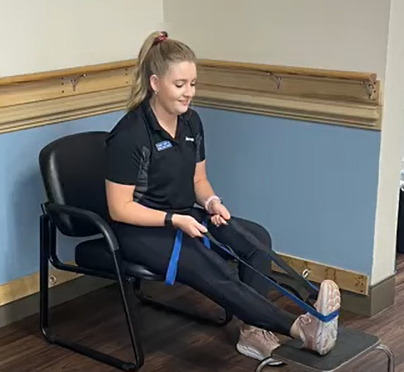
Examples of recommended stretches include the seated hamstring stretch, the standing quadriceps stretch, and the upper body stretch. Each of these exercises can be performed safely at home, often with minimal equipment, making them accessible for individuals seeking to improve their physical health.
Video Demonstration of Stretches
Visual aids, such as video demonstrations, can significantly enhance the understanding and execution of stretches for individuals with multiple sclerosis. These resources provide step-by-step guidance, ensuring that users perform each stretch correctly and safely.
Incorporating video content not only aids in learning but also motivates individuals to engage in their stretching routines regularly. Aquacare offers a comprehensive video guide that showcases the recommended stretches, allowing users to follow along and practice effectively.
Consulting with a Physical Therapist
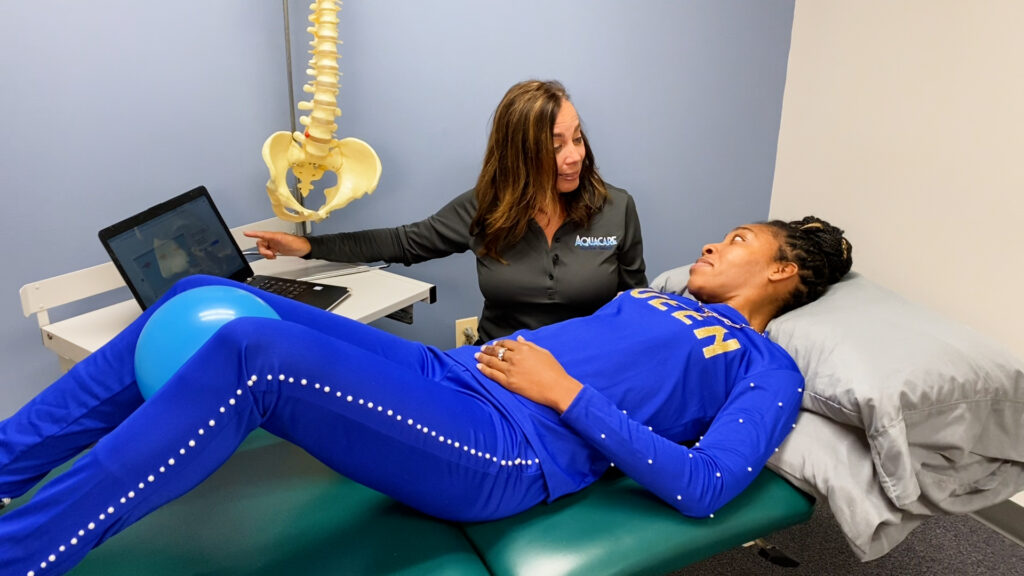
Working with a physical therapist can greatly benefit individuals with multiple sclerosis, particularly when developing a personalized stretching routine. A therapist can assess individual needs, provide tailored exercises, and ensure that stretches are performed safely to prevent injury.
Physical therapists also offer valuable insights into the progression of stretching routines and can adapt exercises as the individual's condition evolves. This professional guidance helps maximize the benefits of stretching while addressing any specific challenges posed by multiple sclerosis.
 Aquacare/Fitness Forum Physical Therapy