Common Stretching Mistakes to Avoid
When practicing stretching techniques, it's crucial to be aware of common mistakes that can hinder progress or lead to injury. Many individuals rush through their stretches, neglecting to hold each position for an adequate duration, which diminishes the effectiveness of the exercise. Additionally, overstretching can cause muscle strains, so it’s important to listen to your body and avoid pushing beyond comfortable limits.
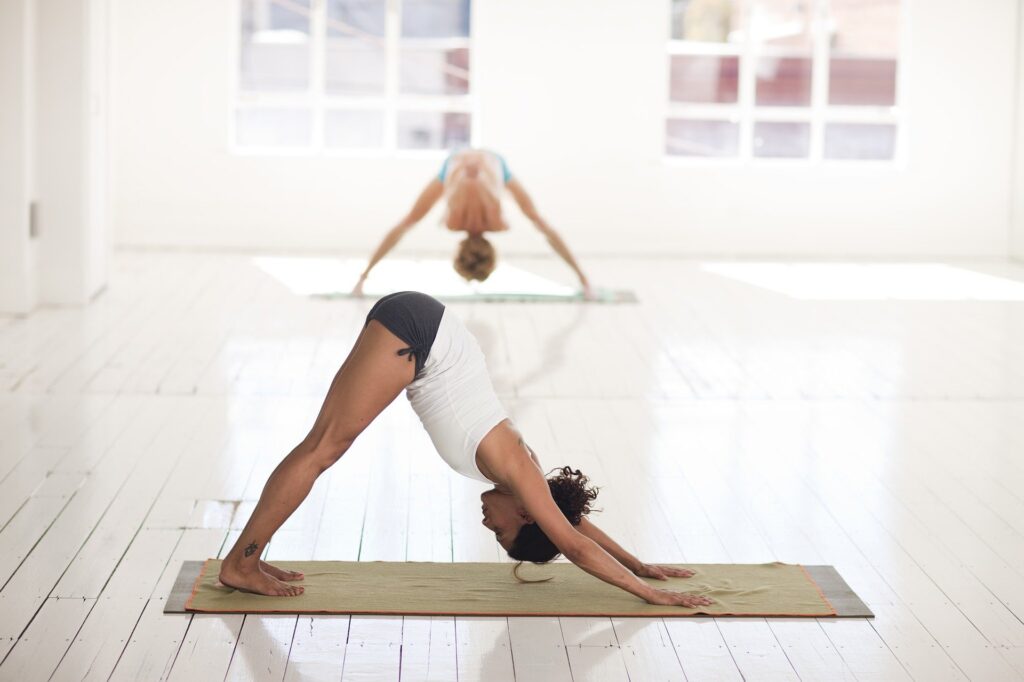
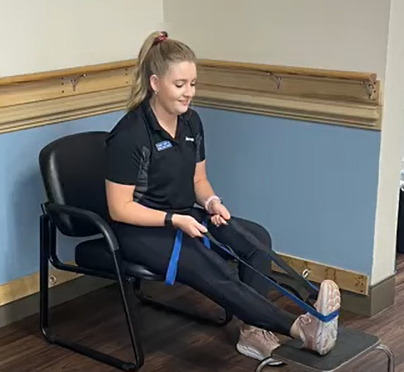
To improve your stretching routine, focus on maintaining proper form and breathing throughout each stretch. For example, ensure that you are not bouncing while stretching, as this can cause muscle tightness instead of relaxation. Incorporating a gradual warm-up before stretching can also prepare your muscles and enhance flexibility gains safely.
Integrating Stretching into Your Daily Routine
Incorporating stretching into your daily routine is essential for maintaining flexibility and overall physical health. Setting aside just a few minutes each day to perform stretches can significantly improve your range of motion and reduce the risk of injury. Consider scheduling stretching sessions during breaks at work or as part of your morning or evening rituals.
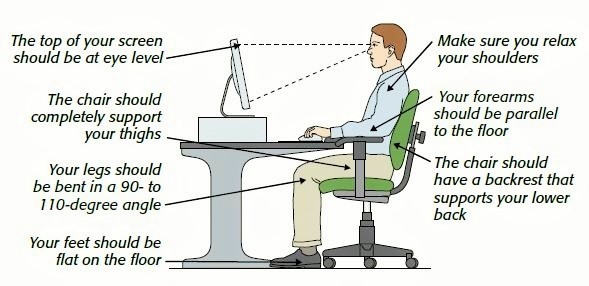
For instance, you can use reminders on your phone to prompt you to stretch every couple of hours, especially if you have a sedentary job. Simple stretches like neck rolls, shoulder shrugs, and wrist stretches can be done at your desk, making it easy to stay limber throughout the day.
The Role of Stretching in Injury Prevention
Stretching plays a vital role in injury prevention for individuals of all activity levels. By regularly incorporating stretching into your exercise routine, you can enhance muscle elasticity and joint mobility, which are crucial for preventing strains and sprains. This is particularly important for athletes and those engaged in physical activities that put stress on the body.
Research indicates that athletes who maintain a consistent stretching regimen experience fewer injuries compared to those who do not. For example, dynamic stretching before workouts can prepare the muscles for the physical demands ahead, while static stretching post-exercise aids in recovery and reduces muscle soreness.
Stretching Techniques for Specific Conditions
Different physical conditions may require tailored stretching techniques to ensure safety and effectiveness. For instance, individuals with arthritis may benefit from gentle, low-impact stretches that promote joint mobility without causing pain. Similarly, those recovering from injuries should consult with a physical therapist to develop a personalized stretching plan that aligns with their rehabilitation goals.
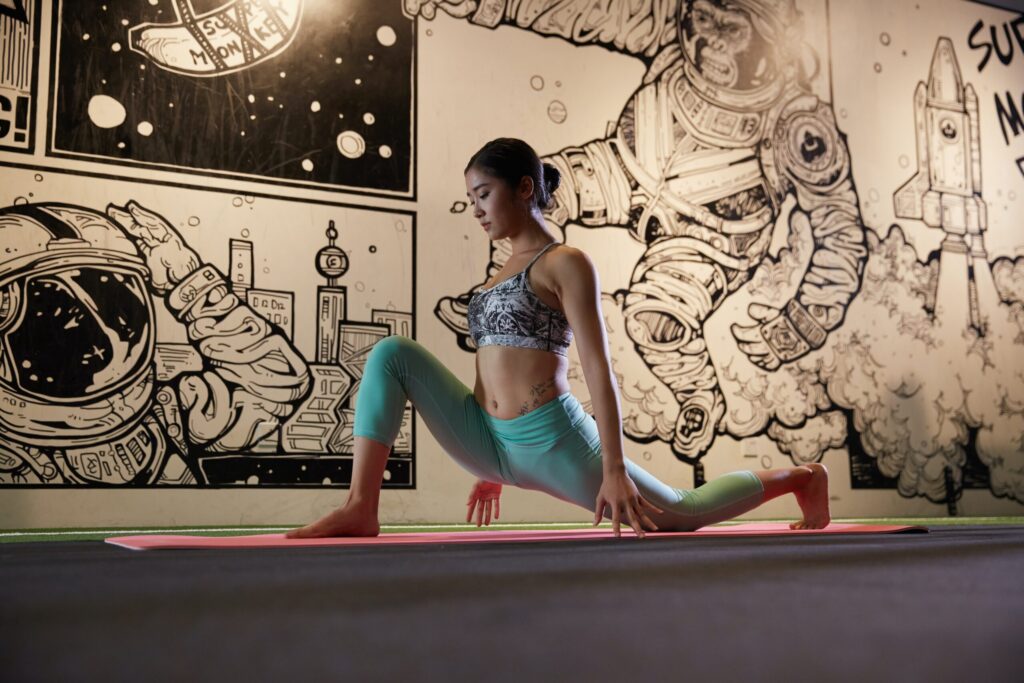
Specific stretches can also target areas affected by certain conditions, such as hip flexor stretches for lower back pain or shoulder stretches for rotator cuff issues. By understanding the unique needs of your body, you can implement stretching practices that not only enhance flexibility but also support overall healing and wellness.

 Aquacare/Fitness Forum Physical Therapy