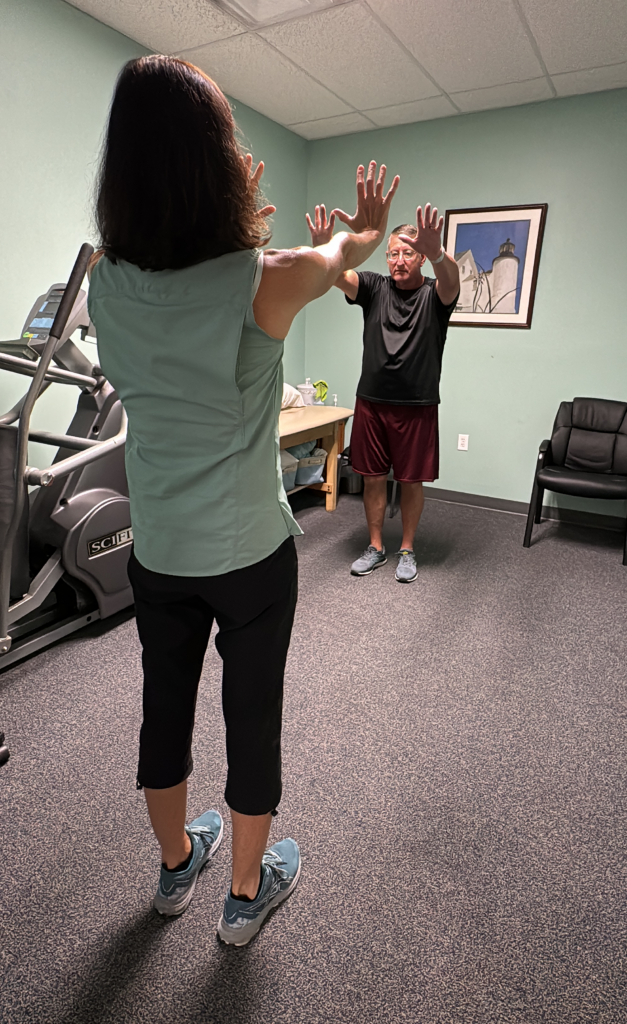
Benefits of Physical Therapy
Physical therapy offers a multitude of benefits, including pain relief, improved mobility, and enhanced overall physical function. It is especially effective for individuals recovering from surgery, injury, or chronic conditions, allowing them to regain strength and independence.
For instance, studies have shown that patients undergoing physical therapy after knee surgery experience faster recovery times and better functional outcomes compared to those who do not participate in rehabilitation. Moreover, physical therapists utilize tailored exercise programs to address specific patient needs, ensuring a personalized approach to recovery.
Injury Prevention Strategies
Injury prevention is a crucial aspect of physical therapy, focusing on techniques and exercises designed to reduce the risk of injuries in both athletes and everyday individuals. By identifying risk factors and implementing preventive measures, physical therapists play a vital role in maintaining health and performance.
Common strategies include strength training, flexibility exercises, and education on proper body mechanics. For example, athletes are often taught to perform warm-up routines that enhance flexibility and strength, significantly lowering their chances of sustaining injuries during competition or practice.
Wellness Tips for Everyday Life
Incorporating wellness tips into daily routines can significantly enhance overall health and quality of life. Physical therapists often provide guidance on lifestyle changes that promote physical and mental well-being, such as regular exercise, balanced nutrition, and stress management techniques.
For example, simple practices like taking short walks during breaks or engaging in mindfulness exercises can greatly improve one’s physical and mental state. Additionally, maintaining a balanced diet rich in nutrients supports physical therapy outcomes and enhances recovery processes.
Innovative Therapies in Physical Rehabilitation
Innovative therapies, such as dry needling and cupping, are gaining popularity in physical rehabilitation, offering new avenues for pain relief and recovery. These techniques are designed to complement traditional physical therapy methods, providing patients with a holistic approach to healing.
Dry needling targets trigger points in muscles to relieve tension and pain, while cupping therapy enhances blood flow and promotes healing. Many patients report significant improvements in their conditions when these innovative therapies are integrated into their rehabilitation plans, showcasing the evolving nature of physical therapy practices.
 Aquacare/Fitness Forum Physical Therapy