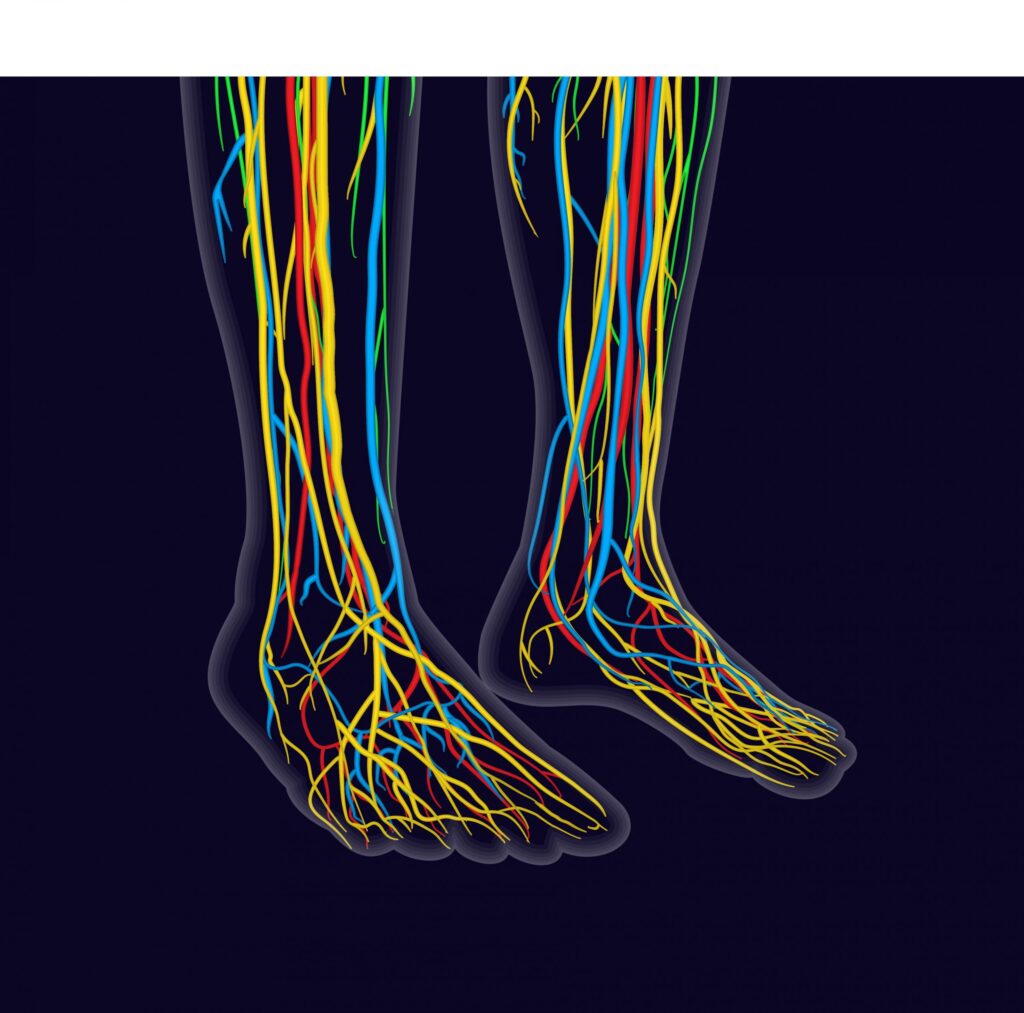
Understanding Physical Therapy
Physical therapy is a healthcare profession that focuses on the treatment and rehabilitation of individuals with physical impairments or disabilities. It involves a variety of techniques, including exercises, manual therapy, and the use of modalities to enhance recovery and improve function.
For instance, physical therapists assess patients' conditions and design personalized treatment plans that address specific needs, such as strengthening muscles, improving mobility, and alleviating pain. This tailored approach ensures that patients receive the most effective care for their unique situations.
Common Conditions Treated by Physical Therapy
Physical therapy can be beneficial for a wide range of conditions, including musculoskeletal injuries, neurological disorders, and chronic pain syndromes. Patients often seek physical therapy for issues such as arthritis, stroke recovery, and sports injuries.
For example, individuals recovering from knee surgery may work with a physical therapist to regain strength and mobility, while those with chronic lower back pain can learn techniques to manage their symptoms effectively. The versatility of physical therapy makes it an essential component of many rehabilitation programs.
Benefits of Physical Therapy for Wellness
Engaging in physical therapy not only aids in recovery from injuries but also promotes overall wellness. Regular sessions can enhance physical fitness, improve balance, and increase flexibility, contributing to a healthier lifestyle.
Moreover, studies have shown that patients who participate in physical therapy often experience reduced pain levels and improved mental health. This holistic approach to treatment emphasizes the importance of physical activity and education in maintaining long-term health and well-being.
Choosing the Right Physical Therapist
Selecting a qualified physical therapist is crucial for achieving optimal results in treatment. Factors to consider include the therapist's credentials, experience, and areas of specialization that align with the patient's specific needs.
Additionally, patients should feel comfortable communicating with their therapist about their goals and concerns. Building a strong therapeutic relationship can significantly enhance the effectiveness of the treatment plan and lead to better outcomes.