Understanding Physical Therapy
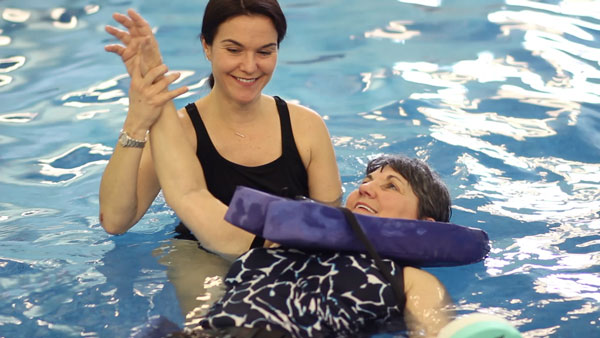
Physical therapy is a healthcare profession that focuses on the treatment of individuals to improve their movement and quality of life. It involves the assessment and treatment of physical dysfunctions, enabling patients to recover from injuries, surgeries, or chronic conditions.
Therapists use various techniques, including exercises, manual therapy, and modalities like heat or cold, to alleviate pain and restore function. For example, after knee surgery, a tailored physical therapy program can significantly enhance recovery speed and mobility.
Benefits of Physical Therapy for Rehabilitation
Rehabilitation through physical therapy offers numerous benefits, including pain reduction, improved mobility, and enhanced strength. It plays a crucial role in helping patients regain independence following an injury or surgery.
Research shows that patients who engage in physical therapy often experience faster recovery times and lower rates of re-injury. For instance, athletes returning to sports after an injury typically undergo a structured rehabilitation program to ensure they regain full functionality.
Common Conditions Treated with Physical Therapy
Physical therapy addresses a wide range of conditions, including musculoskeletal injuries, neurological disorders, and post-operative recovery. Conditions such as arthritis, back pain, and stroke rehabilitation are commonly managed through targeted therapy.
By utilizing specialized techniques, physical therapists can tailor treatment plans to address specific conditions. For example, individuals with chronic back pain may benefit from a combination of strengthening exercises and manual therapy to alleviate discomfort and improve mobility.
Preventative Measures in Physical Therapy
Preventative physical therapy focuses on reducing the risk of injuries and managing chronic conditions before they escalate. This proactive approach helps individuals maintain optimal health and function throughout their lives.
Therapists often provide education on proper body mechanics, ergonomics, and exercise regimens tailored to individual needs. For instance, desk workers can learn techniques to improve posture and reduce strain, preventing long-term issues such as repetitive strain injuries.