Understanding Aquatic Therapy
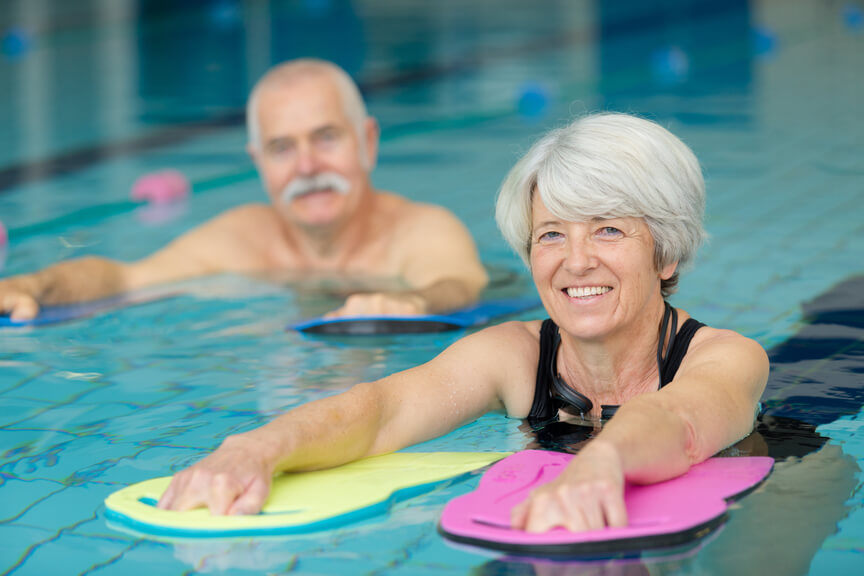
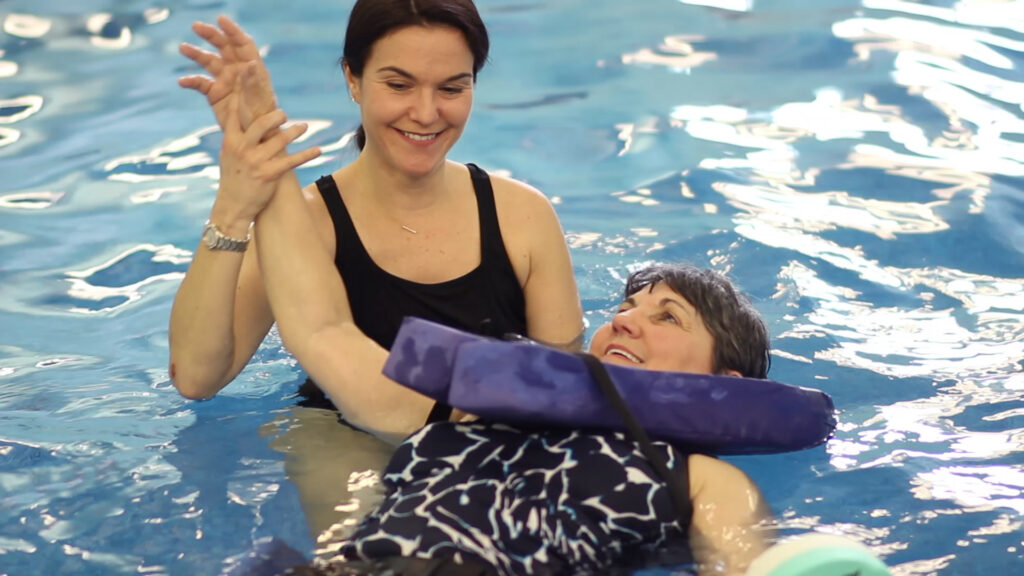
Aquatic therapy is a specialized form of physical therapy that utilizes the properties of water to facilitate rehabilitation and recovery. This therapy is particularly beneficial for patients with joint pain, mobility issues, or those recovering from surgery, as the buoyancy of water reduces stress on the body while enabling movement.
In aquatic therapy sessions, patients engage in exercises designed to improve strength, flexibility, and balance in a supportive environment. For example, water resistance can enhance muscle engagement, and the warmth of the water can promote relaxation and alleviate pain, making it an ideal choice for individuals undergoing rehabilitation.
Exercise and Injury Prevention
Incorporating exercise into daily routines is essential for injury prevention, especially for those involved in physically demanding activities. Understanding how to perform exercises correctly and safely can significantly reduce the risk of injuries, which is crucial for maintaining long-term health and mobility.
For instance, strength training, flexibility exercises, and proper warm-up techniques can prepare the body for physical exertion and help prevent strains and sprains. Additionally, educating caretakers on safe lifting techniques and body mechanics can further minimize the risk of injury for both caregivers and those they assist.
Preparing for Your Visit with a Physical Therapist
Preparing for your first appointment with a physical therapist can help ensure a productive session and set the stage for effective treatment. It's important to gather relevant medical history, including any previous injuries, surgeries, or ongoing health conditions that may influence your therapy.
Additionally, bringing a list of questions or concerns can help facilitate communication with your therapist. Being open about your goals and expectations will enable your therapist to tailor a treatment plan that best suits your individual needs and enhances your recovery process.
Tips for Fitness with a Side of Dysfunction
Many individuals experience physical dysfunctions that can hinder their ability to maintain an active lifestyle. Understanding how to adapt fitness routines to accommodate these challenges is crucial for achieving health and wellness goals without exacerbating existing conditions.
For example, individuals with chronic pain or mobility issues can benefit from low-impact exercises such as swimming or cycling, which provide cardiovascular benefits while minimizing stress on the joints. Working with a physical therapist can also help in developing personalized exercise plans that address specific dysfunctions while promoting overall fitness.