Understanding Pelvic Pain: Causes and Treatments
Pelvic pain is a common issue that many women face, often impacting their quality of life. This pain can stem from various causes, including menstrual cramps, endometriosis, pelvic inflammatory disease, and even gastrointestinal issues. Understanding the underlying causes is crucial for effective treatment and management.
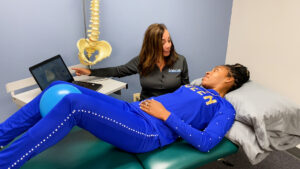
Physical therapy plays a significant role in alleviating pelvic pain through targeted exercises, manual therapy, and education on body mechanics. Techniques such as myofascial release and pelvic floor exercises can help reduce pain and improve function, empowering women to regain control over their bodies and daily activities.
Postpartum Recovery: The Role of Physical Therapy
After childbirth, many women experience physical changes that can lead to discomfort and complications. Postpartum recovery is essential for restoring strength, stability, and overall well-being. Physical therapy can provide tailored interventions to address issues such as diastasis recti, pelvic floor dysfunction, and musculoskeletal pain.
Therapists specialize in guiding new mothers through safe exercises that promote healing and strengthen core muscles. By focusing on functional movements, physical therapy helps women not only recover from childbirth but also enhances their ability to care for their newborns effectively.
Navigating Menopause: How Physical Therapy Can Help
Menopause brings a host of physical and emotional changes that can be challenging for many women. Symptoms such as hot flashes, mood swings, and pelvic discomfort can significantly impact daily life. Understanding how physical therapy can alleviate these symptoms is vital for maintaining quality of life during this transition.
Physical therapists can develop personalized programs that include exercises to strengthen the pelvic floor, improve balance, and enhance overall fitness. Additionally, education about lifestyle modifications and coping strategies can empower women to navigate menopause with confidence and resilience.
Preventing Incontinence: Strategies for Women
Incontinence is often considered a taboo subject, yet it affects many women at various stages of life. Physical therapy offers proactive strategies to strengthen the pelvic floor and prevent incontinence, which can improve confidence and quality of life. Understanding risk factors and prevention techniques is essential for women seeking to maintain bladder health.
Therapists can guide women through specific exercises designed to enhance pelvic floor strength and function. Incorporating lifestyle changes, such as proper hydration and dietary adjustments, can further support bladder health and reduce the risk of incontinence.