The Importance of Injury Prevention in Sports
Injury prevention is a critical aspect of sports medicine, focusing on reducing the risk of injuries before they occur. By understanding the common causes of injuries and implementing preventive strategies, athletes can maintain their performance and prolong their careers.
Effective injury prevention strategies include proper warm-up routines, strength training, and flexibility exercises tailored to the specific demands of each sport. For instance, a soccer player may benefit from exercises that enhance lower body strength and agility, while a runner might focus on improving their core stability to prevent injuries.
Understanding Rehabilitation Techniques
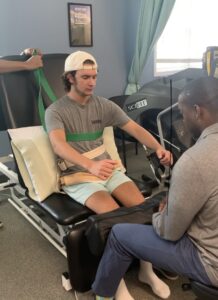
Rehabilitation techniques are essential for athletes recovering from injuries, aimed at restoring function and promoting healing. Physical therapy plays a vital role in this process, utilizing various methods to help individuals regain strength, mobility, and confidence.
Common rehabilitation techniques include manual therapy, therapeutic exercises, and modalities such as ultrasound or electrical stimulation. Each technique is designed to address specific injuries, such as tendonitis or ligament sprains, ensuring a comprehensive approach to recovery.
Success Stories: Real-Life Recoveries
Success stories from patients who have undergone physical therapy highlight the effectiveness of treatment in overcoming injuries. These narratives not only inspire others but also provide insight into the recovery process and the role of dedicated care.
For example, athletes like Ava McCarron have shared their journeys of returning to sports after significant injuries, emphasizing the importance of personalized treatment plans and the support of skilled therapists. These testimonials serve as powerful reminders of the potential for recovery through commitment and professional guidance.
Latest Innovations in Sports Medicine
The field of sports medicine is constantly evolving, with new innovations enhancing the way injuries are treated and prevented. From advanced imaging techniques to cutting-edge rehabilitation technologies, these developments are transforming patient care.
Recent innovations include the use of telehealth for remote consultations, wearable technology for real-time performance monitoring, and regenerative medicine approaches like platelet-rich plasma (PRP) therapy. These advancements not only improve recovery times but also empower athletes to take control of their health and performance.