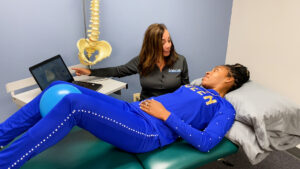
Understanding Pelvic Floor Dysfunction During Pregnancy
Pelvic floor dysfunction is a common issue that many women face during pregnancy. As the body undergoes significant changes, the pelvic floor muscles can weaken or become overly tight, leading to discomfort and complications such as incontinence or pelvic pain.
Recognizing the signs of pelvic floor dysfunction is crucial for expecting mothers. Symptoms may include pressure in the pelvic region, difficulty controlling urination, or pain during intercourse. Seeking help from a qualified physical therapist can provide tailored exercises and strategies to alleviate these issues and support a healthy pregnancy.
Importance of Prenatal Physical Therapy
Engaging in prenatal physical therapy can greatly benefit pregnant women by addressing physical challenges and preparing the body for labor. A specialized program can help strengthen muscles, improve flexibility, and promote better posture, which can alleviate common pregnancy-related discomforts.
Research indicates that women who participate in prenatal physical therapy report reduced back pain and improved overall wellness. Additionally, these sessions can equip mothers-to-be with techniques to manage labor pain and enhance recovery after childbirth, making the transition into motherhood smoother.
Safe Exercise Guidelines for Pregnant Women
Staying active during pregnancy is essential for both physical and mental health, but it's important to follow safe exercise guidelines. Low-impact activities such as walking, swimming, and prenatal yoga can provide numerous benefits without risking injury.
Consulting with a physical therapist can help pregnant women create a personalized exercise plan that considers their fitness level and any pregnancy complications. This tailored approach ensures that both mother and baby remain healthy and active throughout the pregnancy journey.
Postpartum Mental Health and Physical Therapy
The postpartum period can bring about various emotional and psychological challenges, making mental health a crucial aspect of recovery. Physical therapy can play a role in addressing the physical symptoms that may contribute to postpartum depression and anxiety.
Therapists can provide exercises that not only strengthen the body but also promote relaxation and mindfulness. Incorporating physical activity into the postpartum routine has been shown to improve mood and overall well-being, helping new mothers navigate the emotional landscape of motherhood more effectively.