Understanding Neck Pain: Causes and Symptoms
Neck pain can arise from various causes, including muscle strain, poor posture, or underlying medical conditions. Understanding the specific triggers of neck pain is crucial for effective management and treatment.
Common symptoms associated with neck pain include stiffness, headaches, and radiating discomfort to the shoulders and arms. Identifying these symptoms early can help individuals seek appropriate physical therapy interventions and prevent further complications.
Effective Neck Pain Management Techniques
Managing neck pain effectively often requires a combination of treatments tailored to the individual's needs. Physical therapy plays a pivotal role in alleviating discomfort and restoring function through targeted exercises and manual therapy techniques.
Alongside physical therapy, patients may benefit from modalities such as heat therapy, cold packs, and ergonomic adjustments in their daily routines. These techniques, when used in conjunction, can significantly enhance recovery and improve overall quality of life.
Preventive Measures for Neck Pain
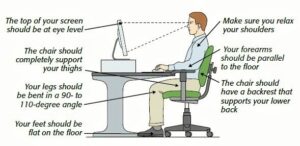
Preventing neck pain is achievable through proactive measures that promote good posture and ergonomics. Simple lifestyle changes, such as regular breaks during prolonged computer use and maintaining a supportive sleeping position, can greatly reduce the risk of developing neck issues.
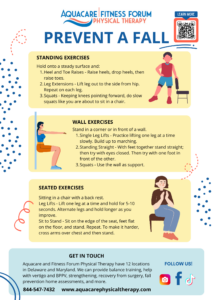
Additionally, incorporating stretching and strengthening exercises into daily routines can fortify neck muscles and enhance flexibility. By prioritizing preventive strategies, individuals can maintain a healthier neck and avoid the onset of pain.
The Role of Physical Therapy in Neck Pain Recovery
Physical therapy is a cornerstone of recovery for individuals suffering from neck pain. Through personalized treatment plans, physical therapists assess the specific needs of each patient and implement strategies to alleviate pain and restore mobility.
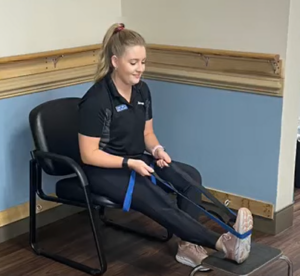
Therapeutic exercises, manual therapy, and education about body mechanics are vital components of physical therapy. These interventions not only address current pain but also equip patients with the knowledge and skills to manage their condition effectively in the long term.