You’ve Tried a Massage, but Have You Tried Cupping?
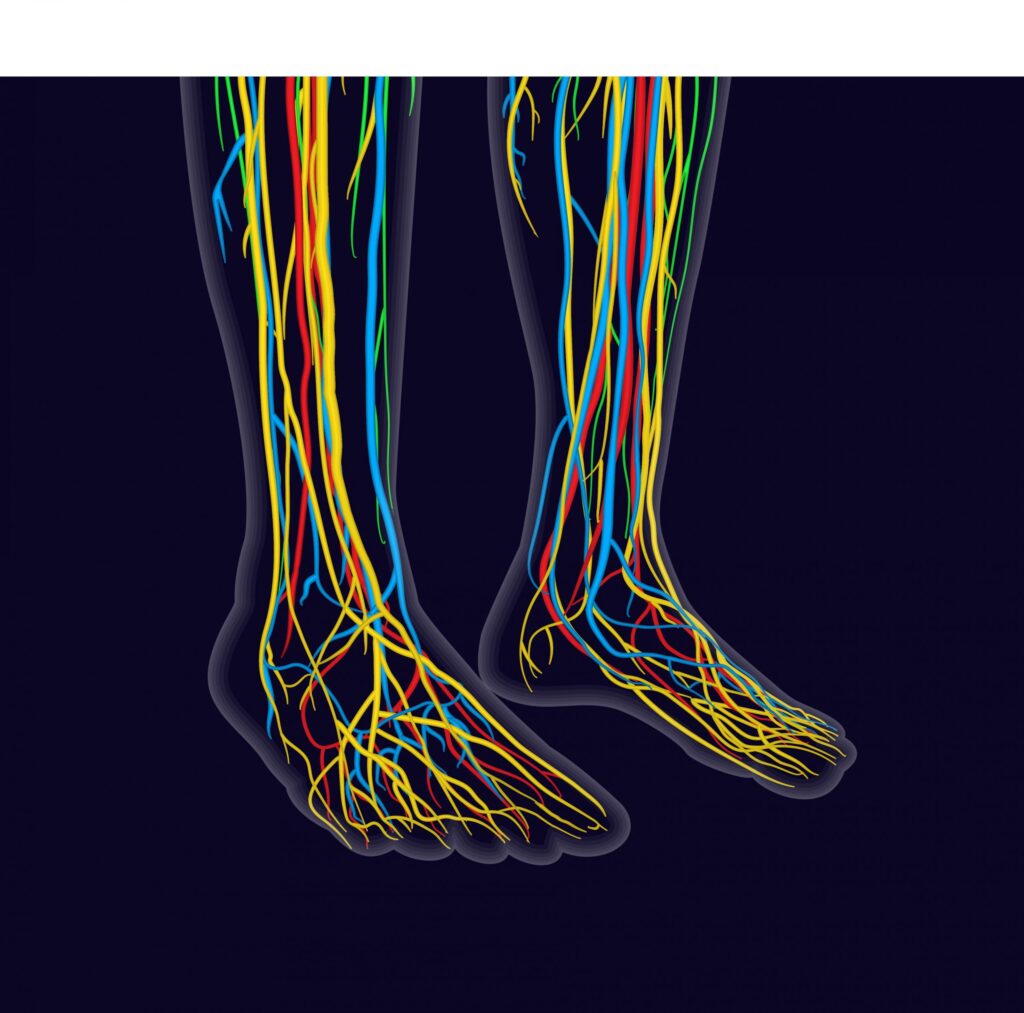
The body is held together through the workings of an intricate system of fascia. This fascia is connected from the head to the toes and is the home to traveling blood vessels, nerves, and the lymphatic system.
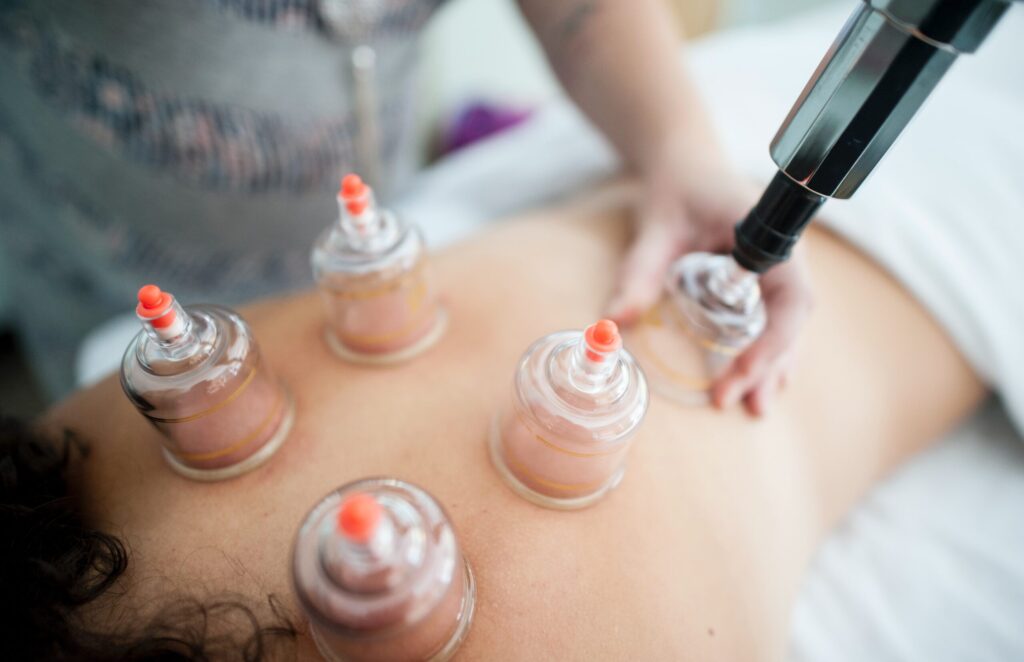
Through injury or simply over time with repetitive movement, the network of fascia can become flattened or stuck together resulting in trouble with mobility and pain. Space can be provided to the fascia through negative pressure, created by the suction of the cups, to release those restrictions and provide room for the vessels and nerves to move with more freedom.
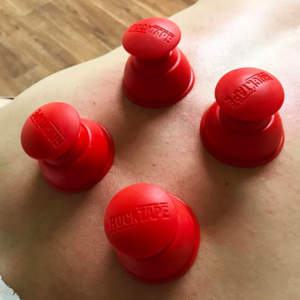 Benefits of cupping for improved movement include:
- Improved blood flow
- Decompression of nerves
- Reduced pain
- Improved lymphatic drainage
- Reduced fascial and muscular restrictions
- Improved scar mobility
Cups can be made of glass, hard plastic, and silicon most commonly. However, a variety of materials can be used based on the cultural or medical usage. Glass or hard plastic cups are generally 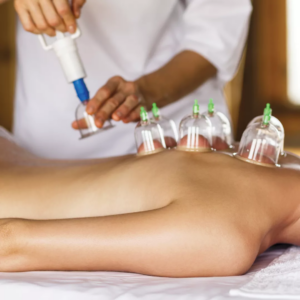 clear and are applied with the use of a suction pump that allows for a varying intensity of negative pressure.
Silicon or soft plastic cups are applied by a trained professional by hand through “pre-plunge”, “plunge” or “inversion” for a variation of negative pressure and comfort.
Cupping can be done with a dynamic (moving) or static (still) approach to reach the desired effects and may depend upon the cup being used or the presented symptoms.