Heart Month: How Physical Therapy Can Help You Come Back Strong After a Heart Event
By Cara Konlian, MSPT, CEO, Aquacare Physical Therapy
A heart event—whether it’s a heart attack, heart surgery, heart failure episode, or a stroke—can leave you feeling like your body has turned into unfamiliar territory. One day you’re “fine,” and the next you’re navigating fatigue, weakness, shortness of breath, balance changes, or the simple fear of doing too much.
February is recognized as Heart Month, a time to raise awareness about heart health and the importance of recovery after a heart event.
Here’s the good news: movement is often part of the medicine—when it’s the right movement, at the right time, with the right guidance. That’s where physical therapy comes in.
What physical therapy focuses on after a heart incident
At its best, PT after a heart or vascular event isn’t about “pushing harder.” It’s about rebuilding the basics—safely.
1) Rebuilding endurance without overdoing it
After a cardiac event, deconditioning can happen fast. PT helps you gradually improve stamina, using carefully dosed activity, rest breaks, and pacing strategies. This is especially important if fatigue or shortness of breath has changed what you can do day-to-day.
2) Strength, mobility, and confidence for real life
Your heart isn’t the only thing that needs support after a major health event. Many people notice:
General weakness
Reduced mobility and flexibility
Difficulty with stairs, transfers, or walking distances
Fear of exertion (very common)
A therapist can create a progressive plan aimed at getting you back to normal life—safely and with confidence.
3) Balance and stability—especially after a stroke
After a stroke, physical activity and exercise can support improvements in walking ability, balance, and overall fitness (when it’s appropriate for your specific situation). PT often includes gait training, balance work, strengthening, and functional practice—so “getting around” feels easier and safer again.
4) Education you can actually use
A big part of long-term heart health is knowing how to move smartly: how hard to work, how to warm up and cool down, what warning signs matter, and how to build habits you can keep. Cardiac rehab programs emphasize education and risk-factor management, and PT can reinforce that day-to-day self-management.
If you’ve had a heart attack, heart surgery, angioplasty/stent, heart failure, or certain other cardiac conditions, your physician may recommend cardiac rehabilitation—a medically supervised program that typically combines monitored exercise, education, and coaching to reduce risk factors and rebuild cardiovascular health.
Cardiac rehab can be a powerful cornerstone of recovery. It’s structured, progressive, and often more closely medically monitored early on.
Physical therapy can complement that journey—and for many people, PT becomes the practical bridge between “I’m cleared to move” and “I feel like myself again.”
How Aquacare Physical Therapy can support heart recovery
Aquacare Physical Therapy builds personalized plans for patients who are recovering from heart-related incidents or living with cardiovascular considerations—always in coordination with physician guidance and any cardiac rehab recommendations.
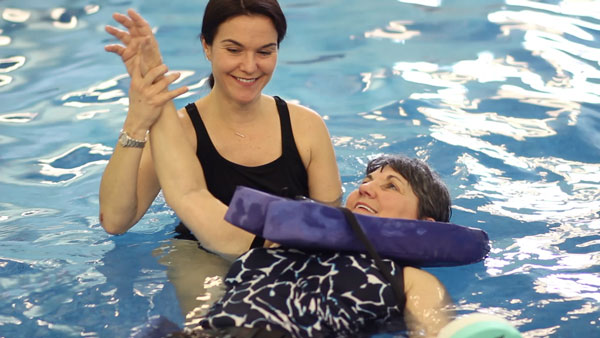
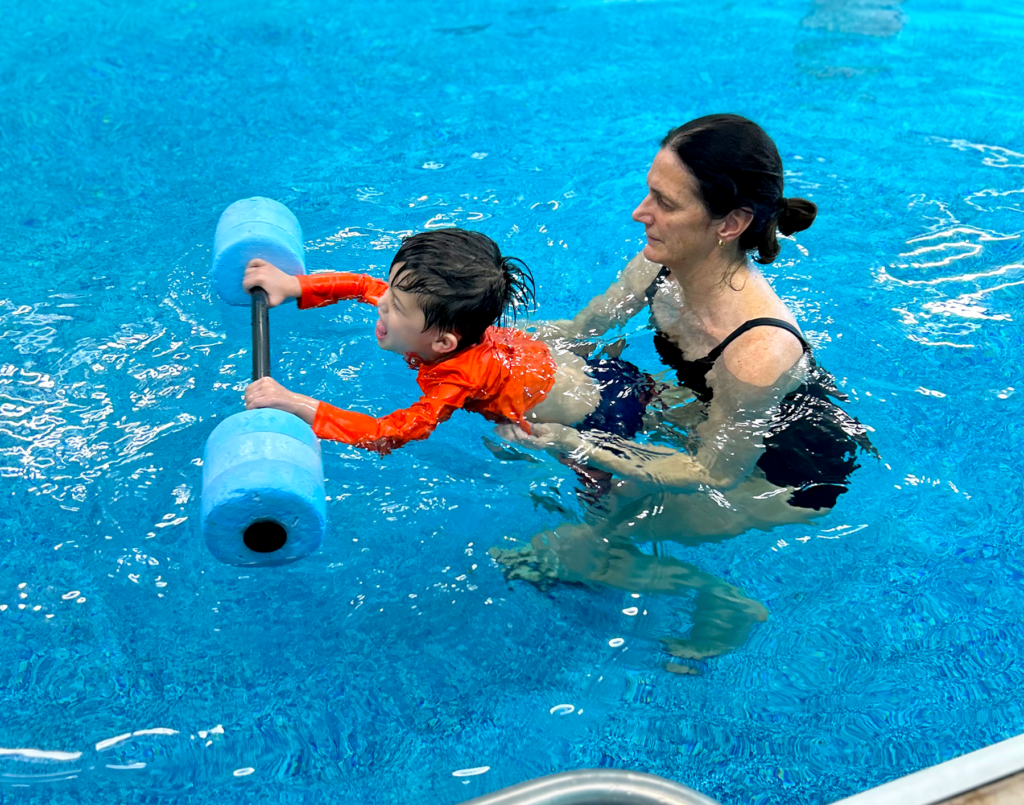
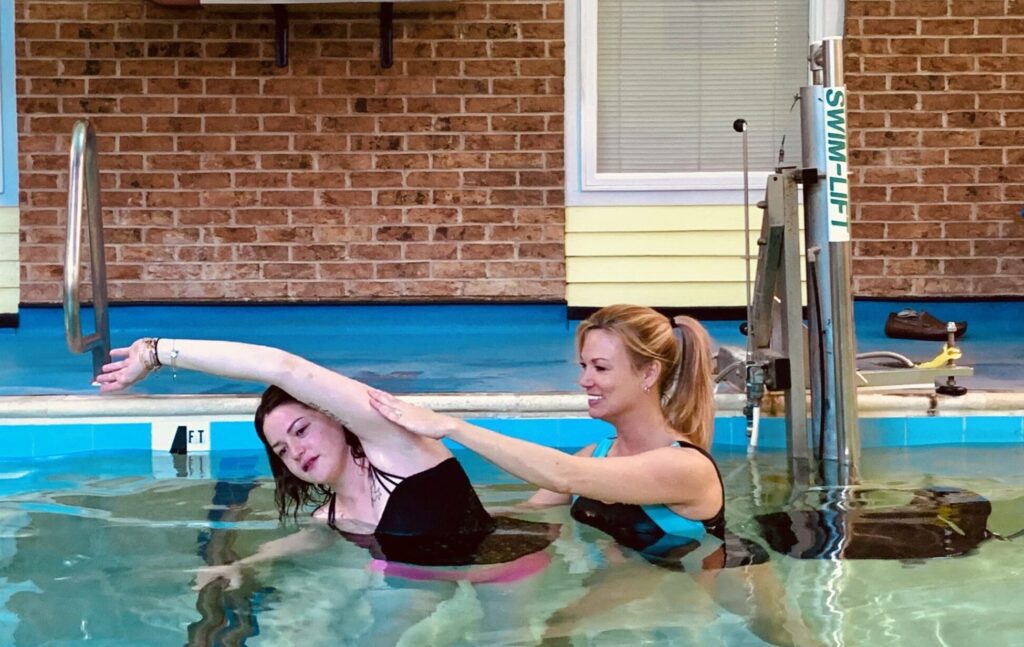
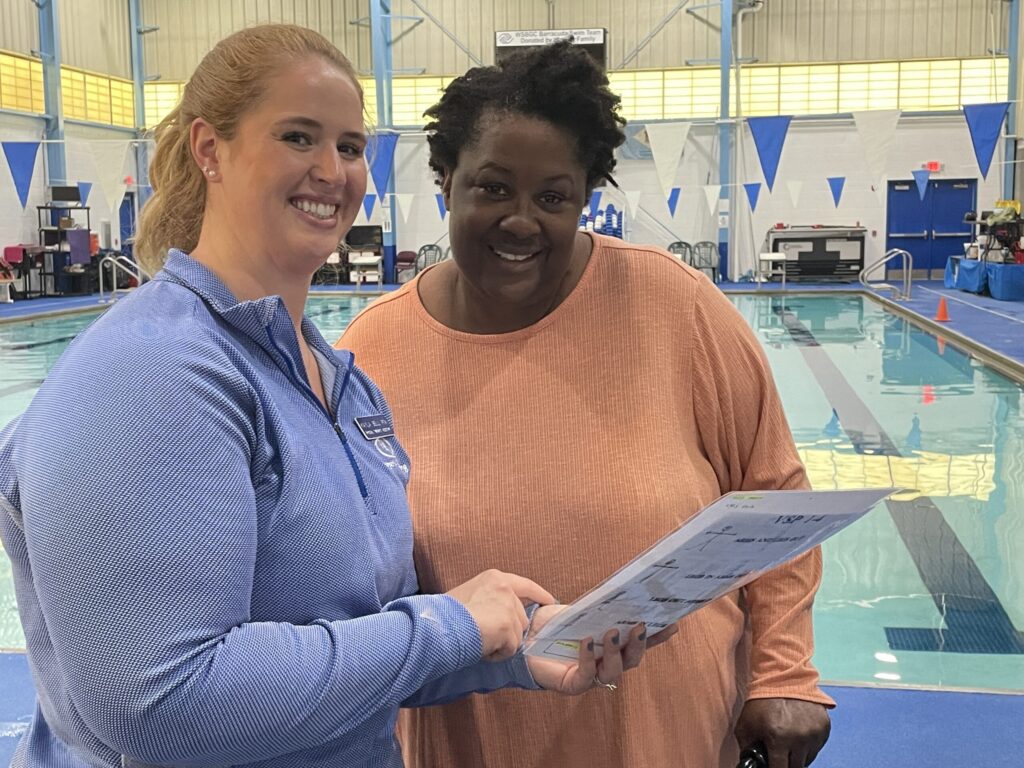
Aquatic therapy: a gentle place to restart (and rebuild)
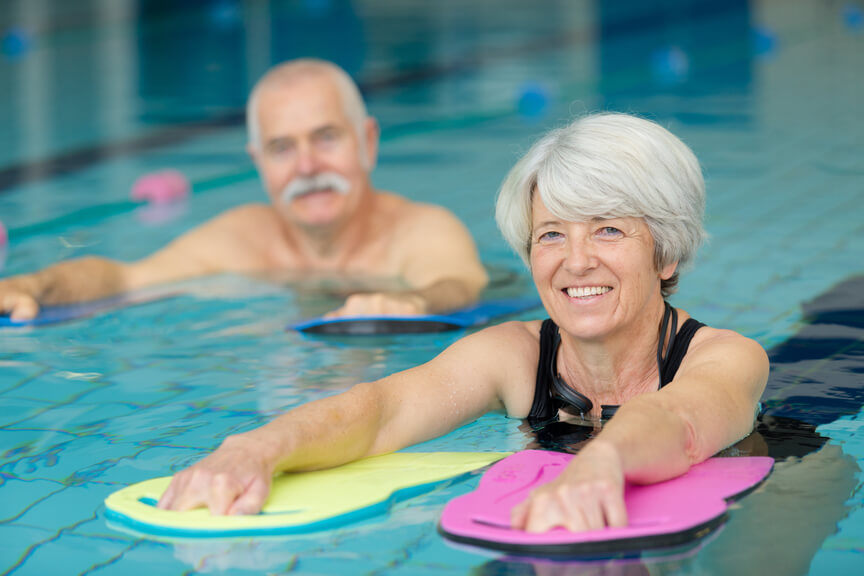
Aquatic therapy can be a game-changer when land-based exercise feels intimidating or uncomfortable.
Why water helps:
Buoyancy reduces stress on joints and supports the body, making movement feel easier.
Water immersion creates hydrostatic pressure, which can influence circulation and venous return and change how the cardiovascular system responds during exercise.
For many people, water workouts feel joint-friendly while still supporting cardiovascular conditioning.
Aquatic therapy is not “the easy way out.” Done correctly, it’s a smart way to rebuild endurance, mobility, and strength—especially early on or when orthopedic pain is also part of the picture.
Gym-based physical therapy: progressive strengthening and conditioning
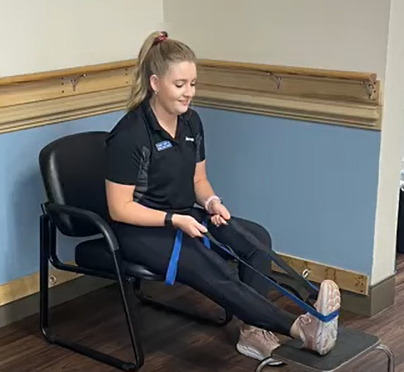
When land-based exercise is appropriate, Aquacare clinics support recovery with guided, progressive training using therapeutic exercise and specialized equipment—focused on:
Strength and stability
Mobility and posture
Walking tolerance and functional training
Safe conditioning progression
Safety matters: how to exercise after a heart event
This part is important, so let’s make it plain:
Always get medical clearance from your cardiologist or provider before starting or progressing exercise after a heart incident.
If your physician recommends cardiac rehab, that structured, medically supervised setting may be the safest first step—especially early in recovery.
A well-designed program includes education, supervised exercise, and lifestyle support—because recovery is about reducing the risk of another event, not just “getting stronger.”
In PT, your therapist will also help you learn practical pacing strategies and how to monitor exertion—so you can keep building progress without guessing.
A simple “what to expect” after a heart event timeline
Every case is different, but here’s a general idea of how many patients progress:
Early recovery: gentle mobility, breathing strategies, short bouts of activity, confidence-building
Reconditioning: structured strengthening and endurance work, balance, walking progression
Return to life: functional training tailored to your real routine (work demands, hobbies, travel, stairs, yardwork)
Maintenance: a sustainable long-term plan you can keep doing
FAQ for Heart Month (and for anyone who’s nervous to start)
Is it normal to feel anxious about exercising after a heart incident? Yes. Many people worry about triggering symptoms or “overdoing it.” A supervised, progressive plan helps remove guesswork and rebuild confidence.
Can physical therapy replace cardiac rehab? It depends on your situation. Cardiac rehab is a specific medically supervised program often recommended after certain cardiac events. PT can be a valuable complement—especially for strength, mobility, balance, function, and returning to daily life.
What if I had a stroke—does PT help my heart too? After stroke, appropriate physical activity and exercise can support cardiovascular fitness and function, in addition to walking and balance.
Why would aquatic therapy be recommended? Water can reduce joint stress while still allowing meaningful exercise. Immersion also changes cardiovascular responses through hydrostatic pressure effects.

 Aquacare/Fitness Forum Physical Therapy