

How Long Does Recovery Take After Hip or Knee Replacement?

Every recovery is different, but many patients attend outpatient physical therapy for several weeks to a few months after surgery. Knee replacements often take a bit longer than hip replacements to regain full motion. Your age, activity level before surgery, and overall health all play a role, and your therapist will track your progress and adjust your plan along the way.

When Can I Get Back to My Favorite Activities?

That’s one of the most common questions we hear, and it’s one of our favorite goals to work toward. Whether you want to return to walking the boardwalk, gardening, golfing, dancing, or keeping up with the grandkids, tell us what matters to you. We’ll build those activities into your therapy so you’re not just healing, you’re getting back to living.

Physical Therapy for Hip and Knee

Is Hip or Knee Pain Keeping You on the Sidelines?

When every step up the stairs hurts, when a walk around the neighborhood feels out of reach, or when you’re sitting out the family beach day because your joints just won’t cooperate, it may be time to think about joint replacement. If surgery is on your horizon, here’s something many people don’t realize: your recovery can start before you ever get to the operating room.

At Aquacare and Fitness Forum Physical Therapy, we guide patients through every stage of hip and knee replacement, from getting stronger before surgery to getting back to the life you’ve been missing afterward.

What Is Prehab, and Why Does It Matter Before Joint Replacement?

Prehab, short for pre-operative rehabilitation, is physical therapy you do in the weeks leading up to surgery. Think of it as training for your recovery. Patients who go into surgery with stronger muscles, better flexibility, and a clear understanding of what’s ahead are often better prepared to bounce back afterward.

Your physical therapist will design a program around your body and your upcoming procedure. Together, you’ll work on building strength and control in the muscles that support your hip or knee, easing pain and inflammation around the joint, and practicing the exercises you’ll use after surgery so they feel familiar when the time comes. We’ll also walk you through what to expect in the days and weeks after your procedure, so you can go in feeling confident instead of anxious.

How Can I Prepare My Home and Body for Hip or Knee Surgery?

Prehab isn’t only about exercise. Your therapist can help you think through the practical side of recovery, like how you’ll get in and out of bed, the car, or the shower, and how to set up your home so everyday essentials are within easy reach. Practicing with a walker or cane before surgery can also make those first days home feel much more manageable.

What Happens in Physical Therapy After Hip or Knee Replacement?

After surgery, physical therapy becomes the heart of your recovery. Your new joint is designed to move well, but the muscles around it need to relearn how to support it. Our therapists create an individualized plan that respects your healing timeline and your surgeon’s guidelines while steadily helping you move better each week.

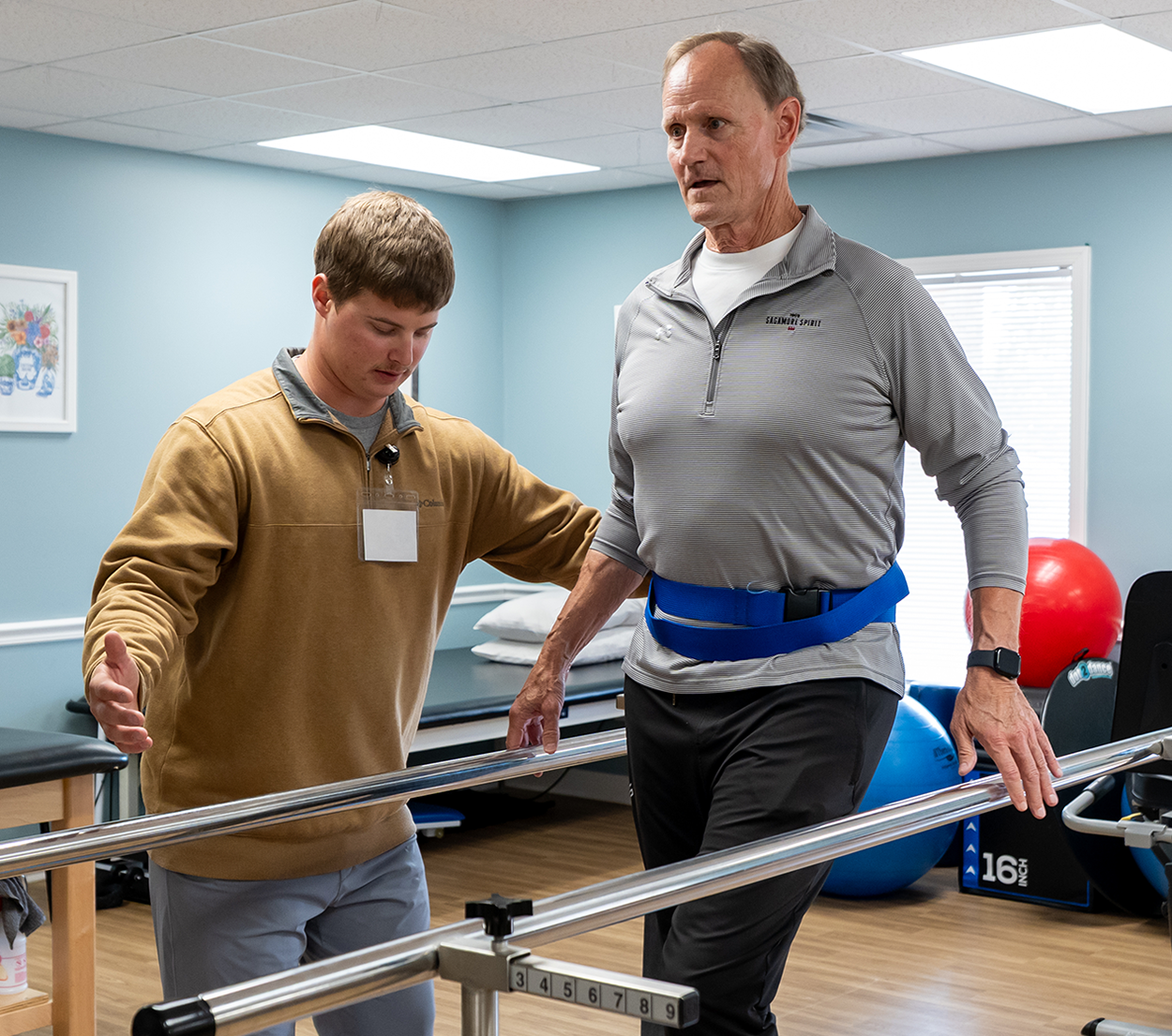
In the early stages, the focus is on managing pain and swelling and gently restoring your range of motion. As you heal, your program will build in strength and endurance exercises so you can walk farther, climb stairs, and stand longer without tiring. Balance and coordination training helps you feel steady on your feet again and lowers your risk of falls. Throughout your care, you’ll learn a home exercise program and self-care strategies so your progress keeps going between visits.
What Makes Joint Replacement Rehab at Aquacare Different?

At Aquacare, your physical therapist works with you one-on-one for your whole session. We never double book, so you get focused attention every visit, which matters when you’re learning to trust a new joint. Select locations also offer aquatic therapy, where the buoyancy of warm water takes pressure off healing joints and makes it easier to move, once your surgeon clears you for the pool. With more than 12 locations across Delaware and Maryland, you’ll find expert care close to home, which makes getting to those regular appointments a whole lot easier.

FAQs

Many patients benefit from prehab before surgery. Building strength, flexibility, and familiarity with post-surgery exercises can help you feel more prepared and support a smoother recovery. Ask your surgeon whether prehab is right for you.

Most patients begin moving with help from a therapist very soon after surgery, often in the hospital. Outpatient physical therapy typically starts shortly after you go home, based on your surgeon’s instructions.

Many patients attend physical therapy two to three times a week, along with a daily home exercise program. Your therapist will recommend a schedule based on your progress and goals.

Some discomfort is normal as you work to regain motion and strength, especially after knee replacement. Your therapist will keep your comfort in mind, adjust exercises as needed, and teach you ways to manage pain and swelling at home.

After surgery, your surgeon will usually provide orders for physical therapy. For prehab, both Delaware and Maryland generally allow you to see a physical therapist directly, though your insurance plan may have its own requirements. Our team can check your coverage for you.

Yes. You have the right to choose your physical therapy provider. Just let your surgeon’s office know you’d like to continue your care at Aquacare and Fitness Forum Physical Therapy.

Most insurance plans, including Medicare, cover physical therapy before and after joint replacement. Our front desk team will help you understand your benefits before you begin.

Ready to Move Forward With Confidence?

Whether your surgery is months away or already behind you, our physical therapists are here to help you get stronger, move easier, and get back to the life you love.