Understanding Common Sports Injuries
Sports injuries can affect athletes of all levels, from amateurs to professionals. Understanding the types of injuries and their causes is crucial for prevention and effective treatment. Common sports injuries include sprains, strains, fractures, and tendonitis, each varying in severity and impact on an athlete's performance.
For instance, ankle sprains are prevalent in sports involving quick direction changes, while overuse injuries like tendonitis often occur in repetitive sports such as running or swimming. Recognizing the signs and symptoms of these injuries can help athletes seek timely medical attention and initiate appropriate recovery strategies.
The Role of Physical Therapy in Injury Prevention
Physical therapy plays a vital role in preventing sports injuries through tailored exercise programs and education. By identifying individual risk factors, physical therapists can develop strategies to strengthen vulnerable areas and improve overall performance. This proactive approach not only aids in injury prevention but also enhances athletic longevity.
For example, a physical therapist may implement a strength training regimen focusing on core stability and flexibility to reduce the risk of lower back injuries in athletes. Additionally, educating athletes about proper techniques and body mechanics can significantly decrease the likelihood of injuries during training and competition.
Success Stories: Athletes Who Overcame Injuries
Inspiring recovery stories from athletes highlight the transformative impact of physical therapy. These narratives not only motivate others facing similar challenges but also illustrate the effectiveness of a structured rehabilitation program. Success stories often emphasize the athlete's determination and the pivotal role their physical therapist played in their recovery journey.
Take, for instance, the story of a professional soccer player who returned to the field after a severe knee injury. Through a combination of physical therapy, strength training, and mental resilience, the athlete not only regained full functionality but also improved their performance levels post-recovery, showcasing the power of perseverance and expert guidance.
What to Expect During Your First Physical Therapy Session
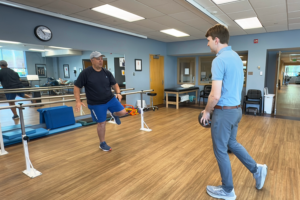
Understanding what to expect during your first physical therapy session can alleviate anxiety and set the stage for a successful rehabilitation experience. Typically, the initial session involves a comprehensive assessment where the therapist evaluates your injury, medical history, and physical capabilities. This information helps in formulating a personalized treatment plan.
During the session, you may undergo various assessments, including strength tests and range of motion evaluations. The therapist will also discuss your goals and expectations, ensuring that the treatment aligns with your needs. This collaborative approach fosters trust and encourages active participation in your recovery process.