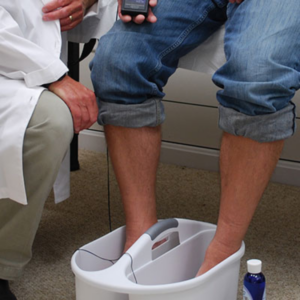
What is Peripheral Neuropathy?
Peripheral neuropathy is a condition that results from damage to the peripheral nerves, which can cause weakness, numbness, and pain, typically in the hands and feet. This damage can stem from various factors, including diabetes, infections, inherited disorders, and exposure to toxins.
Understanding peripheral neuropathy is crucial for effective management and treatment. For instance, diabetic neuropathy is one of the most common forms, affecting nearly 60-70% of people with diabetes. Early diagnosis and intervention can significantly improve quality of life and reduce complications associated with the condition.
Symptoms of Peripheral Neuropathy
Common symptoms of peripheral neuropathy include tingling, burning sensations, and increased sensitivity to touch. Many individuals also experience muscle weakness and coordination issues, which can affect daily activities and overall mobility.
In addition to these symptoms, some may encounter changes in skin, hair, or nail growth, as well as digestive issues. Recognizing these signs is essential for seeking timely medical advice and initiating appropriate treatment plans.
Treatment Options for Peripheral Neuropathy
Treatment for peripheral neuropathy varies based on the underlying cause and severity of the condition. Options may include medication for pain relief, physical therapy to improve strength and mobility, and lifestyle changes such as diet and exercise modifications.
For example, physical therapy can play a pivotal role in rehabilitation, helping patients regain functionality and reduce discomfort. Techniques such as electrical stimulation and therapeutic exercises are frequently used to enhance nerve function and alleviate symptoms.
Preventing Peripheral Neuropathy
Preventing peripheral neuropathy involves managing risk factors effectively, particularly for those with diabetes or other underlying health conditions. Regular check-ups, maintaining a healthy diet, and avoiding excessive alcohol consumption can significantly reduce the risk of nerve damage.
Moreover, engaging in regular physical activity and practicing good foot care are essential preventive measures. For instance, individuals with diabetes should monitor their foot health diligently to catch any early signs of neuropathy, ensuring prompt intervention and care.