Understanding Pelvic Pain: Causes and Symptoms
Pelvic pain can stem from a variety of causes, ranging from reproductive health issues to gastrointestinal disorders. It is essential to recognize the different types of pelvic pain, which may include chronic pelvic pain, acute pain, or pain related to specific conditions such as endometriosis or interstitial cystitis.
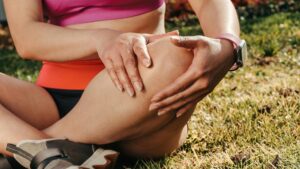
Symptoms of pelvic pain can vary widely among individuals and may include cramping, sharp pain, or a feeling of heaviness in the pelvic region. Understanding these symptoms can aid in early diagnosis and treatment, leading to better outcomes for those affected.
Effective Management Strategies for Pelvic Pain
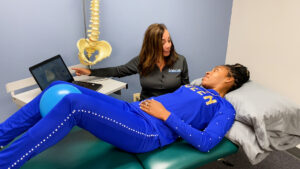
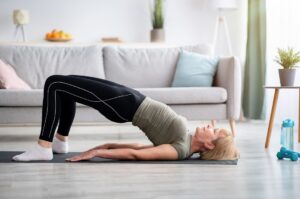
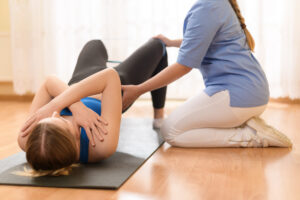
Managing pelvic pain often requires a multi-faceted approach, including physical therapy, medication, and lifestyle changes. Physical therapy, particularly pelvic floor therapy, can help strengthen the pelvic muscles and improve overall function, alleviating pain and discomfort.
In addition to physical therapy, individuals may benefit from dietary adjustments, stress management techniques, and alternative therapies such as acupuncture. Working closely with healthcare providers can help tailor a management plan that addresses the unique needs of each patient.
The Role of Nutrition in Pelvic Health
Nutrition plays a crucial role in maintaining pelvic health and managing conditions that contribute to pelvic pain. A well-balanced diet rich in anti-inflammatory foods can help reduce symptoms and promote healing within the body.
Incorporating foods high in omega-3 fatty acids, antioxidants, and fiber can support overall health and potentially alleviate some pelvic pain symptoms. Consulting with a nutritionist who specializes in pelvic health can provide personalized dietary recommendations.
Postpartum Pelvic Health: Recovery and Rehabilitation
After childbirth, many women experience changes in their pelvic health, including pelvic pain and dysfunction. Postpartum pelvic health is vital for recovery, and physical therapy can play a significant role in helping new mothers regain strength and function.
Exercises focused on the pelvic floor, core stability, and overall body awareness can facilitate recovery and help prevent long-term complications. Engaging in postpartum rehabilitation can empower women to embrace their bodies and improve their quality of life after childbirth.