The Connection Between Pelvic Floor Health and Mental Well-being
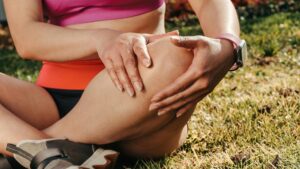
Pelvic floor health is intricately linked to mental well-being, particularly in women. Issues such as pelvic pain or incontinence can lead to emotional distress, anxiety, and decreased quality of life. Understanding this connection is crucial for holistic treatment approaches that address both physical and psychological aspects of pelvic health.
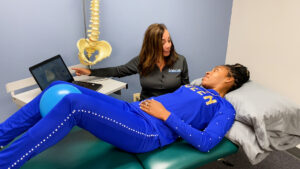
Research indicates that women experiencing pelvic floor dysfunction often report higher levels of anxiety and depression. Therapeutic interventions, including pelvic floor physical therapy, not only aim to alleviate physical symptoms but also provide emotional support, helping women regain confidence and improve their overall mental health.
Common Myths About Pelvic Floor Therapy
There are several misconceptions surrounding pelvic floor therapy that can prevent individuals from seeking help. One prevalent myth is that pelvic floor therapy is only for postpartum women or older adults. In reality, pelvic floor issues can affect women of all ages, including those who are active and healthy.
Dispelling these myths is essential for encouraging women to prioritize their pelvic health. Education about the diverse applications of pelvic floor therapy, such as its role in treating urinary incontinence, pelvic pain, and even enhancing athletic performance, can empower more women to seek the care they need.
Exercises to Strengthen Your Pelvic Floor
Incorporating specific exercises into your routine can significantly enhance pelvic floor strength and function. Kegel exercises, for instance, are widely recognized for their effectiveness in targeting pelvic floor muscles and improving bladder control. These exercises can be performed discreetly and are suitable for women in various life stages.
In addition to Kegels, other exercises like bridges and squats can help engage and strengthen the pelvic floor. It's important to consult with a physical therapist to ensure proper technique and to develop a personalized exercise plan that addresses individual needs and goals.
The Role of Diet in Pelvic Floor Health
Diet plays a pivotal role in supporting pelvic floor health. Certain foods can either alleviate or exacerbate pelvic floor issues, such as constipation or urinary incontinence. A high-fiber diet rich in fruits, vegetables, and whole grains can promote regular bowel movements, reducing strain on the pelvic floor.
Conversely, excessive caffeine, alcohol, and spicy foods may irritate the bladder and worsen pelvic symptoms. Understanding the dietary factors that influence pelvic health can empower individuals to make informed choices that support their overall well-being.