Understanding the Causes of Lower Back Pain
Lower back pain can stem from a variety of causes, ranging from muscle strain to more serious conditions like herniated discs. Understanding these causes is crucial for effective treatment and prevention. Common contributors include poor posture, lack of physical activity, and injuries sustained during sports or daily activities.
Additionally, lifestyle factors such as obesity, stress, and improper lifting techniques can exacerbate lower back pain. By identifying the root causes, individuals can work with physical therapists to develop personalized strategies for relief and long-term management.
Exercises to Strengthen Your Lower Back
Incorporating specific exercises into your routine can significantly strengthen the muscles that support your lower back. These exercises often focus on core stability, flexibility, and overall strength, which are essential for preventing injuries and alleviating pain.
Examples include pelvic tilts, bridges, and bird-dogs, which can be easily performed at home. Consistent practice of these exercises not only helps in pain relief but also improves overall posture and functionality in daily activities.
The Role of Physical Therapy in Lower Back Pain Management
Physical therapy plays a pivotal role in managing lower back pain by providing tailored treatment plans that address individual needs. Therapists utilize a combination of hands-on techniques, therapeutic exercises, and education to empower patients in their recovery journey.
Through guided sessions, patients learn about body mechanics and how to perform daily activities safely, reducing the risk of future injuries. This proactive approach not only alleviates pain but also enhances overall physical function and quality of life.
Preventative Strategies for Lower Back Pain
Preventing lower back pain involves adopting lifestyle changes and practices that promote spinal health. Simple strategies include maintaining a healthy weight, engaging in regular physical activity, and practicing good posture when sitting or standing.
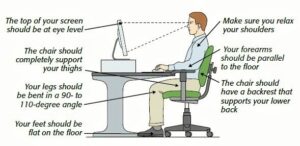
Moreover, ergonomic adjustments in your workspace, such as using supportive chairs and arranging your desk correctly, can significantly reduce strain on your lower back. Implementing these preventative measures can lead to a healthier, pain-free life.