Understanding the Importance of Hydration for Seniors
Staying hydrated is crucial for seniors as it helps maintain bodily functions and prevent health complications. Dehydration can lead to serious issues such as kidney stones, urinary tract infections, and even confusion or disorientation, which are particularly dangerous for older adults.
Research indicates that seniors may have a diminished sense of thirst, making it essential to proactively monitor fluid intake. Simple strategies like carrying a water bottle, incorporating hydrating foods like fruits and vegetables, and setting reminders can significantly improve hydration levels.
Safe Exercise Routines for Older Adults
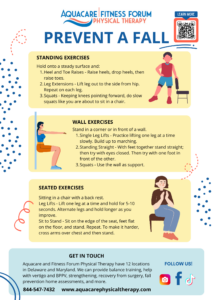
Exercise is vital for maintaining health and mobility in older adults. Safe exercise routines can enhance strength, flexibility, and balance, which are key factors in reducing the risk of falls and injuries.
Low-impact activities such as walking, swimming, and yoga are excellent options for seniors. Engaging in regular physical activity not only improves physical health but also promotes mental well-being, helping to combat feelings of isolation and depression often experienced by older adults.
Managing Chronic Pain in the Elderly
Chronic pain is a common issue among older adults, affecting their quality of life and ability to perform daily activities. Understanding how to manage this pain effectively is crucial for enhancing overall well-being.
Physical therapy, medication management, and alternative therapies such as acupuncture or massage can provide relief. It’s important for seniors to work closely with healthcare providers to develop a personalized pain management plan that addresses their specific needs and conditions.
Tips for Maintaining Independence as You Age
Maintaining independence is a significant concern for many seniors. Adopting certain strategies can help individuals continue to live independently while ensuring their safety and well-being.
Utilizing assistive devices, making home modifications, and engaging in community resources can support independent living. Additionally, staying socially active and connected with family and friends can provide emotional support and encourage a sense of belonging, which is vital for mental health.