Understanding Diabetes: Types and Symptoms
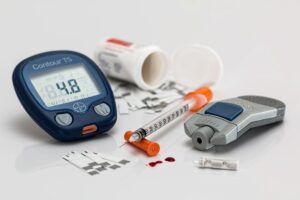
Diabetes is a chronic condition characterized by high blood sugar levels, and it primarily falls into two categories: Type 1 and Type 2 diabetes. Type 1 diabetes is an autoimmune condition where the body fails to produce insulin, while Type 2 diabetes is often related to lifestyle factors and insulin resistance.
Recognizing the symptoms of diabetes is crucial for early intervention. Common symptoms include increased thirst, frequent urination, extreme fatigue, and blurred vision. Understanding these signs can help individuals seek timely medical advice and manage their condition effectively.
The Role of Physical Therapy in Diabetes Management
Physical therapy plays a significant role in managing diabetes by improving physical function and promoting a healthier lifestyle. Through tailored exercise programs, physical therapists can help patients enhance their mobility, strength, and endurance, which are vital for maintaining optimal blood sugar levels.
Moreover, physical therapists educate patients on safe exercise practices and the importance of regular physical activity in diabetes management. Studies have shown that consistent exercise can lead to improved insulin sensitivity and better overall health outcomes for individuals with diabetes.
Nutritional Guidelines for Diabetes Management
Nutrition is a key component in the management of diabetes, as it directly influences blood sugar levels. A balanced diet rich in whole grains, lean proteins, healthy fats, and a variety of fruits and vegetables can help individuals maintain stable glucose levels and prevent complications.
Additionally, understanding carbohydrate counting and portion control can empower patients to make informed dietary choices. Consulting with a registered dietitian can provide personalized meal plans that align with individual health goals and preferences, further supporting effective diabetes management.
Benefits of Regular Health Check-Ups for Diabetic Patients
Regular health check-ups are essential for individuals with diabetes to monitor their condition and prevent complications. These visits allow healthcare providers to assess blood sugar levels, evaluate medication effectiveness, and screen for potential health issues related to diabetes.
Incorporating routine check-ups into a diabetes management plan ensures that patients receive timely interventions and adjustments to their treatment as needed. This proactive approach can lead to better health outcomes and enhance the quality of life for those living with diabetes.