Understanding Vestibular Disorders
Vestibular disorders affect the inner ear and brain, leading to balance issues and dizziness. These conditions can significantly impact daily activities and quality of life, making it essential to understand their origins and symptoms.
Common vestibular disorders include Benign Paroxysmal Positional Vertigo (BPPV), Meniere's disease, and vestibular neuritis. Each of these conditions presents unique challenges, but physical therapy can provide targeted interventions to help manage symptoms and improve balance.
Benefits of Physical Therapy for Balance Improvement
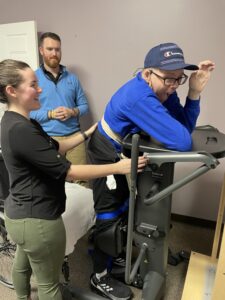
Physical therapy plays a crucial role in enhancing balance and stability, particularly for individuals suffering from vestibular disorders. Through tailored exercises and techniques, physical therapists can help patients regain confidence in their movements.
Research indicates that specific balance training programs can significantly reduce fall risk among older adults. Techniques such as gait training, strength exercises, and vestibular rehabilitation are commonly employed to enhance overall balance and coordination.
Preventing Falls: Tips and Strategies
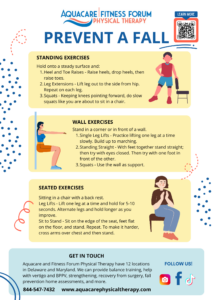
Fall prevention is vital, especially for older adults and those with vestibular disorders. Implementing practical strategies can help minimize fall risks and ensure safety at home and in the community.
Simple measures such as removing tripping hazards, using assistive devices, and engaging in regular physical activity can greatly reduce the likelihood of falls. Additionally, physical therapy can provide personalized fall prevention strategies tailored to individual needs and environments.
How to Choose the Right Physical Therapist
Selecting a qualified physical therapist is essential for effective treatment of balance and vestibular issues. Patients should consider factors such as the therapist's experience, specialization in vestibular rehabilitation, and approach to patient care.
It's beneficial to seek recommendations from healthcare providers or read reviews from other patients. An initial consultation can also help determine if the therapist's philosophy aligns with the patient's goals and comfort level.