Benefits of Aquatic Therapy for Rehabilitation
Aquatic therapy offers numerous benefits for rehabilitation, particularly for individuals recovering from surgeries or injuries. The buoyancy of water reduces the impact on joints, allowing patients to engage in exercises that might be too painful on land.
For example, patients with knee or hip replacements can perform range-of-motion exercises in water, promoting healing without the strain associated with traditional land-based therapy. Studies have shown that aquatic therapy can lead to faster recovery times and improved mobility.
Techniques Used in Aquatic Therapy
Aquatic therapy employs various techniques to facilitate healing and rehabilitation. These techniques can include resistance training, stretching, and balance exercises, all adapted to the water environment to enhance effectiveness.
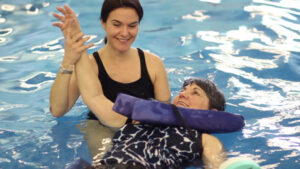
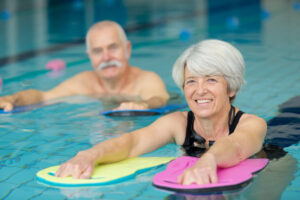
For instance, therapists may use flotation devices or resistance bands in the water to assist patients in performing movements that build strength and improve coordination. This tailored approach helps address specific needs, making aquatic therapy a versatile option for diverse patient populations.
Conditions Treated with Aquatic Therapy
Aquatic therapy is effective for a wide range of conditions, including arthritis, chronic pain syndromes, and neurological disorders. The therapeutic properties of water can alleviate symptoms and improve quality of life for many patients.
For example, individuals suffering from arthritis often find relief from pain and stiffness through gentle movements in water, which can help maintain joint function and reduce inflammation. Additionally, patients with neurological conditions like stroke may benefit from aquatic therapy to regain motor skills and coordination.
How to Get Started with Aquatic Therapy
Getting started with aquatic therapy involves a consultation with a qualified therapist who specializes in this treatment modality. During the initial assessment, the therapist will evaluate the patient's specific needs and develop a personalized treatment plan.
Patients can expect to engage in a series of sessions in a warm-water pool, where they will perform targeted exercises under the guidance of their therapist. It's essential for patients to communicate openly about their comfort levels and progress to ensure the therapy is both effective and enjoyable.