Understanding the Mechanisms of Aquatic Therapy
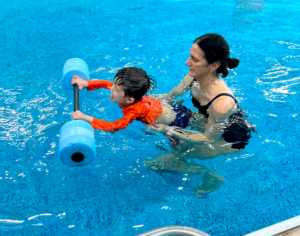
Aquatic therapy utilizes the properties of water to facilitate rehabilitation and enhance physical therapy outcomes. The buoyancy of water reduces stress on joints and allows for greater freedom of movement, making it an ideal environment for patients with limited mobility or pain.
For instance, patients recovering from surgery or those with chronic conditions like arthritis can perform exercises in water that they may find difficult or painful on land. This unique approach not only aids in physical recovery but also promotes mental well-being by providing a soothing atmosphere.
Success Stories: Patient Testimonials on Aquatic Therapy
Many patients have experienced transformative results through aquatic therapy at Aquacare. These testimonials highlight the effectiveness of the program in restoring mobility and enhancing quality of life for individuals facing various physical challenges.
For example, a patient recovering from knee surgery shared how aquatic therapy allowed them to regain strength and confidence in their movements, ultimately leading to a successful return to their daily activities. Such stories reinforce the value of specialized therapy programs in achieving patient goals.
Comparing Aquatic Therapy to Traditional Physical Therapy
While traditional physical therapy focuses on land-based exercises, aquatic therapy offers a unique alternative that can complement these methods. Understanding the differences can help patients make informed decisions about their rehabilitation options.
Aquatic therapy often allows for a wider range of motion and less pain during exercises, which can lead to quicker recovery times. Patients may find that combining both therapies provides a comprehensive approach to their rehabilitation, addressing both strength and flexibility in a supportive environment.
Common Conditions Treated with Aquatic Therapy
Aquatic therapy is effective for a variety of conditions, making it a versatile option for many patients. Commonly treated ailments include sports injuries, post-surgical recovery, arthritis, and neurological disorders.
By utilizing the therapeutic properties of water, patients can engage in low-impact exercises that promote healing and rehabilitation. For example, individuals with fibromyalgia often find relief from pain and improved mobility through tailored aquatic therapy sessions designed to meet their specific needs.