
Understanding Back Pain: Causes and Symptoms
Back pain is a common condition that can arise from various causes, including muscle strain, herniated discs, and underlying medical issues. Understanding the root causes of back pain is essential for effective treatment and management.
Many individuals experience back pain due to poor posture, lack of exercise, or previous injuries. Recognizing symptoms such as persistent discomfort, stiffness, or radiating pain can help patients seek timely medical advice and appropriate physical therapy interventions.
Effective Physical Therapy Exercises for Back Pain Relief
Physical therapy offers a range of exercises specifically designed to alleviate back pain and promote healing. These exercises focus on strengthening the core, improving flexibility, and enhancing mobility, which are crucial for recovery.
Examples of effective exercises include pelvic tilts, bridges, and gentle stretches. A physical therapist can tailor a program to meet individual needs, ensuring that patients perform exercises safely and effectively to achieve optimal results.
Preventing Back Pain: Tips for Daily Life
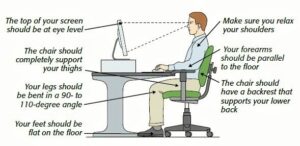
Preventing back pain involves adopting healthy habits and making lifestyle changes that promote spinal health. Simple adjustments, such as maintaining proper posture and using ergonomic furniture, can significantly reduce the risk of developing back issues.
Incorporating regular physical activity, such as walking or swimming, can strengthen back muscles and improve overall fitness. Additionally, practicing mindfulness and stress-reduction techniques can help manage pain and prevent flare-ups.
When to Seek Professional Help for Back Pain
Knowing when to seek professional help for back pain is crucial for effective treatment. If pain persists for more than a few days, worsens over time, or is accompanied by other symptoms like numbness or weakness, it’s important to consult a healthcare provider.
A qualified physical therapist can assess the condition, provide a diagnosis, and develop a personalized treatment plan. Early intervention can prevent further complications and promote a faster recovery, allowing individuals to return to their daily activities with ease.