Understanding Physical Therapy
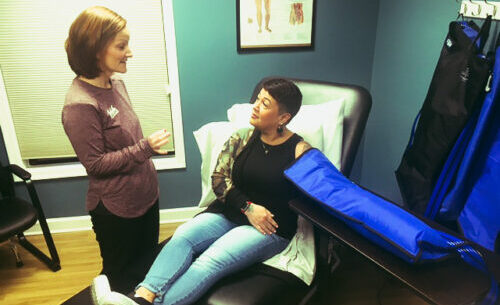
Physical therapy is a vital healthcare profession focused on enhancing mobility and improving quality of life through various therapeutic techniques. It encompasses a range of treatments designed to alleviate pain, restore function, and prevent disability.
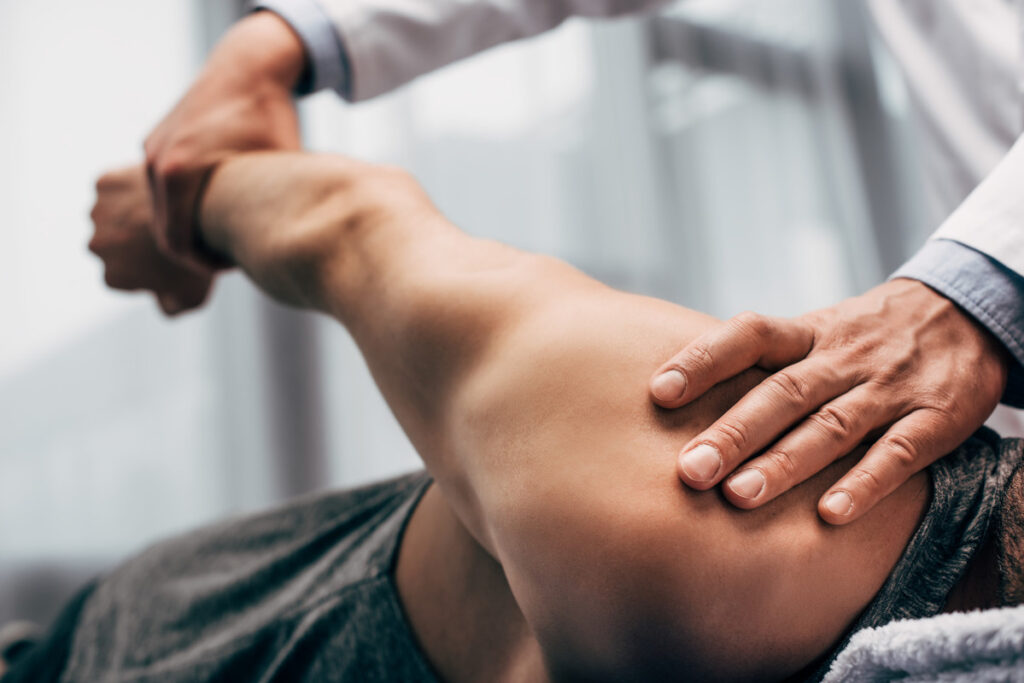
For instance, physical therapists employ exercises, manual therapy, and modalities such as ultrasound or electrical stimulation to address conditions ranging from sports injuries to post-operative rehabilitation. By tailoring treatment plans to individual needs, physical therapy can significantly contribute to recovery and overall wellness.
Benefits of Cupping Therapy
Cupping therapy is an ancient practice gaining popularity in modern physical therapy for its potential benefits in pain relief and muscle relaxation. This technique involves placing suction cups on the skin to create a vacuum effect, which promotes blood flow and alleviates tension.
Research suggests that cupping can be effective in treating various conditions, including chronic back pain and arthritis. Many patients report immediate relief from muscle soreness and improved range of motion, making cupping a valuable addition to traditional physical therapy methods.
Exercises for Posture Improvement
Maintaining good posture is crucial for preventing musculoskeletal issues and enhancing overall health. Specific exercises can strengthen the muscles that support proper alignment, reducing the risk of pain and injury.
Examples include wall angels, chin tucks, and shoulder blade squeezes. These exercises target key muscle groups, promoting better posture and reducing strain on the spine. Incorporating posture-focused exercises into daily routines can lead to long-term benefits and improved physical well-being.
Pelvic Floor Therapy: A Comprehensive Approach
Pelvic floor therapy is an essential aspect of physical therapy that addresses issues related to pelvic floor dysfunction, which can affect individuals of all ages. This specialized therapy aims to strengthen the pelvic muscles and improve function, often focusing on conditions such as incontinence and pelvic pain.
Techniques used in pelvic floor therapy may include pelvic floor exercises, biofeedback, and manual therapy. Through personalized treatment plans, patients can experience significant improvements in their symptoms and overall quality of life, highlighting the importance of this often-overlooked area of physical health.