Understanding Physical Therapy
Physical therapy is a crucial component of rehabilitation and wellness, focusing on restoring movement and function in individuals affected by injury, illness, or disability. It involves a range of techniques, including exercises, manual therapy, and education, aimed at improving patients' quality of life.
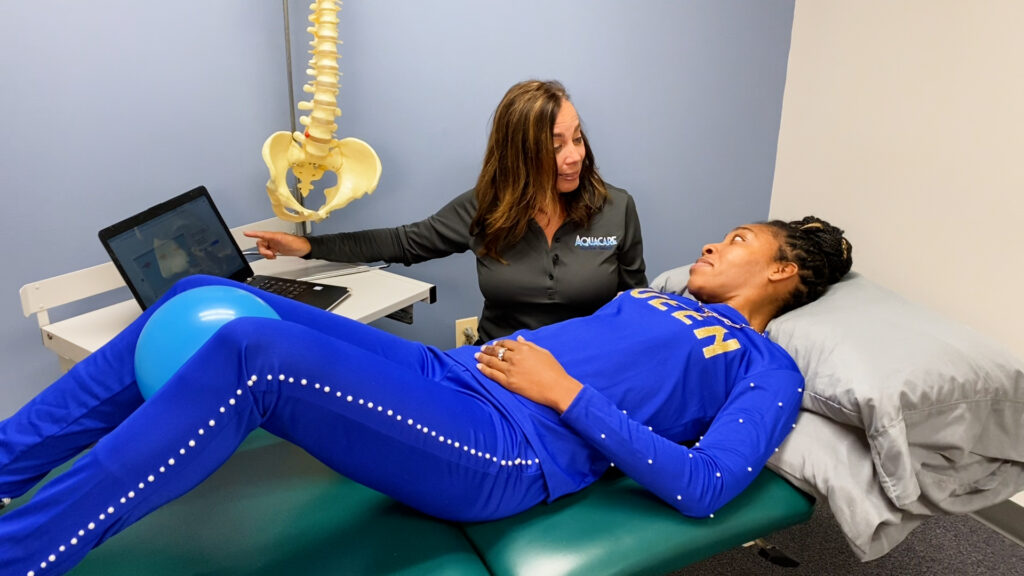
For instance, physical therapists assess each patient's unique needs and create tailored treatment plans. These plans may involve strengthening exercises, mobility training, and pain management strategies, enabling patients to regain independence and enhance their overall physical health.
Benefits of Preventive Care
Preventive care in physical therapy plays a vital role in reducing the risk of injuries and chronic conditions. By identifying potential issues before they escalate, individuals can maintain a higher level of physical fitness and well-being.
For example, regular assessments and tailored exercise programs can help athletes enhance performance and prevent sports-related injuries. Additionally, educational resources on ergonomics and body mechanics can empower individuals to make healthier lifestyle choices, ultimately leading to long-term health benefits.
Success Stories in Rehabilitation
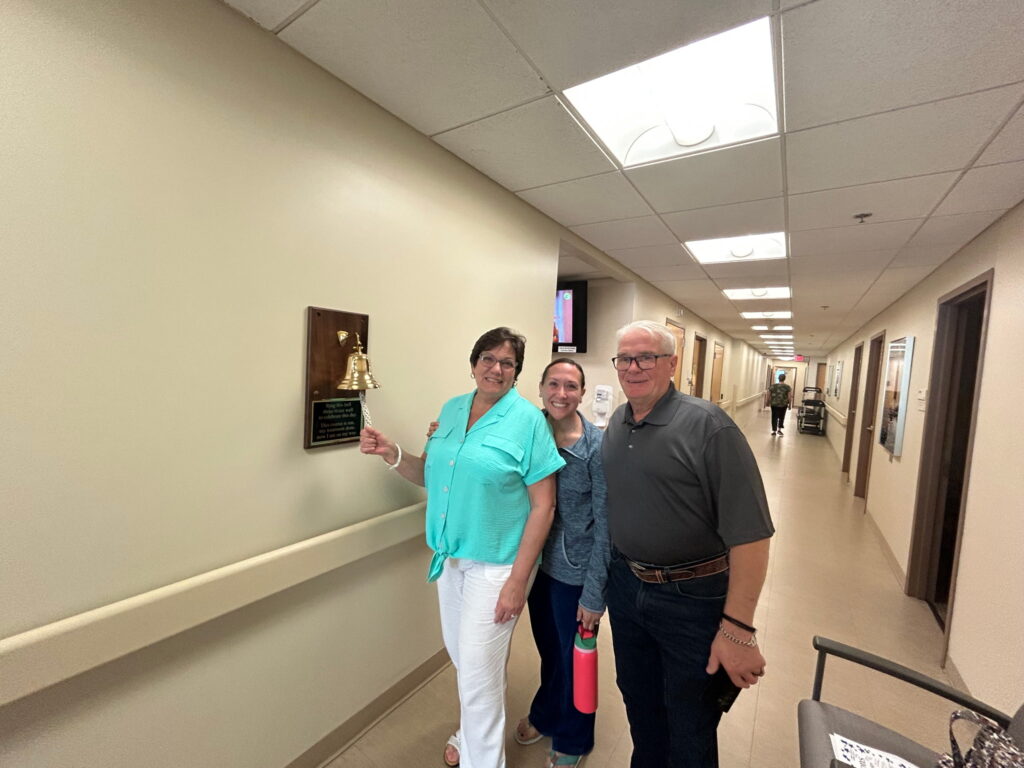
Sharing success stories in rehabilitation can provide inspiration and hope for those undergoing physical therapy. These narratives highlight the transformative impact of dedicated therapy on individuals' lives, showcasing their journeys from pain and limitation to recovery and strength.
For instance, patients who have successfully navigated their recovery from surgeries or chronic pain often share how physical therapy not only alleviated their physical discomfort but also restored their confidence and ability to engage in daily activities and sports.
Innovations in Physical Therapy Techniques
The field of physical therapy is continually evolving with new techniques and technologies aimed at improving patient outcomes. Innovations such as telehealth services, robotic-assisted therapy, and advanced modalities like dry needling are enhancing the effectiveness of treatment.
For example, telehealth allows patients to access therapy from the comfort of their homes, making it easier for those with mobility issues or busy schedules to receive care. Additionally, robotic-assisted therapy can provide precise, controlled movements that enhance rehabilitation for patients recovering from severe injuries.
 Aquacare/Fitness Forum Physical Therapy