






Understanding Telehealth in Physical Therapy
Telehealth has transformed the way physical therapy services are delivered, allowing patients to receive care from the comfort of their homes. This approach is particularly beneficial for individuals who may have mobility issues or live in remote areas, ensuring they still have access to specialized therapy without the need for travel.
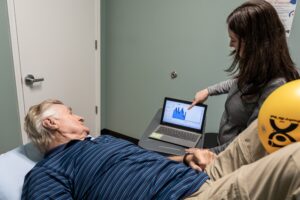
In telehealth sessions, physical therapists can guide patients through exercises, assess their progress, and provide personalized treatment plans via video conferencing. This method not only increases convenience but also maintains the continuity of care, which is crucial for effective rehabilitation.
Specialized Treatment for Sports Injuries
Sports medicine physical therapy focuses on treating injuries sustained during athletic activities, helping athletes recover and return to their sport safely. This specialized care addresses various injuries, including sprains, strains, and fractures, ensuring tailored rehabilitation programs that cater to the unique demands of each sport.
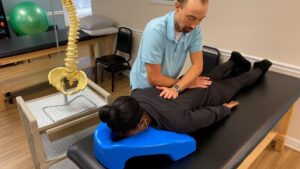
Utilizing advanced techniques such as manual therapy, therapeutic exercises, and modalities like ultrasound or electrical stimulation, physical therapists work to reduce pain, restore function, and enhance performance. Additionally, they educate athletes on injury prevention strategies to minimize the risk of future injuries.
Benefits of Pediatric Physical Therapy
Pediatric physical therapy is designed to address the unique needs of children with various conditions, including developmental delays, congenital disorders, or injuries. By focusing on age-appropriate activities, therapists help children improve their mobility, strength, and coordination, facilitating better overall development.
Through playful and engaging methods, pediatric therapists create a supportive environment where children can thrive. They also work closely with families to ensure that therapies are integrated into daily activities, promoting ongoing progress and encouraging a healthy lifestyle from an early age.
Postpartum Physical Therapy for New Mothers
Postpartum physical therapy is essential for new mothers who experience various physical changes and challenges after childbirth. This specialized therapy addresses issues such as pelvic pain, diastasis recti, and urinary incontinence, helping women regain strength and confidence in their bodies.
Therapists provide individualized treatment plans that may include pelvic floor exercises, manual therapy, and education on body mechanics to support recovery. By focusing on the specific needs of postpartum women, physical therapy plays a vital role in enhancing their quality of life and overall well-being.