
Understanding Parkinson's Disease: Symptoms and Diagnosis
Parkinson's disease is a progressive neurological disorder that affects movement. Common symptoms include tremors, stiffness, slowness of movement, and balance problems. Early diagnosis is crucial for effective management, and healthcare providers often use a combination of clinical assessments and patient history to identify the condition.
In addition to motor symptoms, individuals may experience non-motor symptoms such as depression, anxiety, and cognitive changes. Understanding these various aspects can help patients and families better navigate the challenges of Parkinson's disease and seek appropriate interventions.
Innovative Treatment Options for Parkinson's Disease
Recent advancements in treatment options for Parkinson's disease include medication management, physical therapy, and surgical interventions like deep brain stimulation. Physical therapy, in particular, plays a vital role in maintaining mobility and improving quality of life for patients.
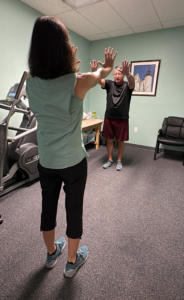
At Aquacare, therapists utilize specialized techniques such as LSVT BIG, which focuses on enhancing movement amplitude and functional mobility. These innovative approaches aim to empower patients to manage their symptoms effectively and maintain independence.
The Role of Caregivers in Parkinson's Disease Management
Caregivers play an essential role in supporting individuals with Parkinson's disease, providing not only physical assistance but also emotional and psychological support. Their involvement can significantly impact the patient's overall well-being and the effectiveness of treatment plans.
Effective caregiver strategies include understanding the progression of the disease, learning about available resources, and maintaining open communication with healthcare providers. Support groups and educational resources can also help caregivers manage their responsibilities while taking care of their own well-being.
Success Stories: Patients Overcoming Challenges with Aquacare
Sharing success stories of patients who have navigated the challenges of Parkinson's disease can inspire hope and provide valuable insights for others facing similar situations. At Aquacare, many patients have found success through tailored physical therapy programs that address their unique needs.
For instance, testimonials from patients like Tom Cosentino highlight the importance of staying active and engaged in therapy. These narratives not only showcase the effectiveness of Aquacare's services but also foster a sense of community and support among patients and their families.