
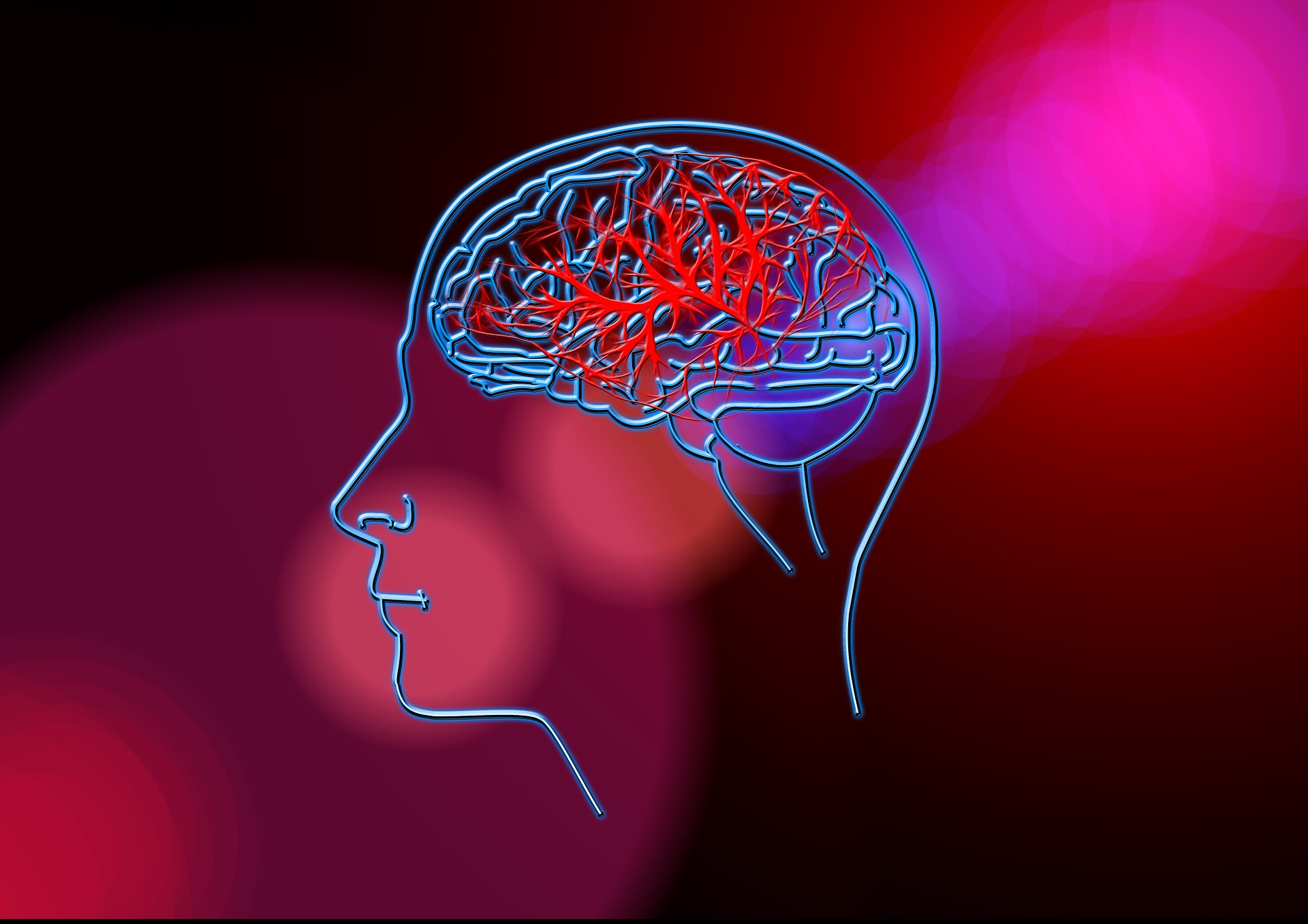
Understanding Neurological Disorders and the Role of Physical Therapy
A neurological disorder is any condition that affects the brain, spinal cord, or the network of nerves that runs throughout your body. These disorders can disrupt movement, balance, coordination, strength, and sensation — sometimes gradually, sometimes suddenly. Stroke, Parkinson’s disease, multiple sclerosis, traumatic brain injury, and spinal cord injury are among the most common, and their effects on daily life can be profound.
What many patients and families don’t know is that physical therapy is one of the most well-supported interventions available for neurological recovery. Research consistently shows that structured, repetitive movement training prompts the brain to reorganize itself — a process called neuroplasticity. This isn’t simply restoring what was lost; it is the nervous system actively building new pathways to compensate and recover.
The evidence is substantial. Studies in stroke rehabilitation show that intensive physical therapy significantly improves motor function, balance, and independence in activities of daily living. For Parkinson’s disease, exercise-based therapy has been shown to slow motor decline and reduce fall risk. Patients with multiple sclerosis who participate in physical therapy report meaningful improvements in fatigue, strength, and quality of life. Across these conditions, early and sustained intervention produces the best outcomes — and improvement is possible even years after initial diagnosis or injury.
Aquacare Physical Therapy and Delaware Neurological: A Partnership Built Around You
Aquacare Physical Therapy has partnered with physicians at Delaware Neurological to provide coordinated, specialized care for patients living with neurological conditions. This collaboration means that your medical team and your therapy team are working together from the start — sharing goals, monitoring progress, and adjusting care to meet your needs.
One of the most significant areas of this partnership involves caring for patients who have been selected to receive Vivistim, an advanced therapy for stroke survivors experiencing persistent arm and hand weakness.
What Is Vivistim?
Vivistim is an implanted vagus nerve stimulation device designed to support recovery of arm and hand function after stroke. The device delivers mild, precisely timed stimulation to the vagus nerve in the neck while a patient actively performs specific upper extremity exercises. This pairing of stimulation with targeted movement is designed to strengthen neuroplasticity — the brain’s capacity to reorganize and form new connections — in ways that therapy alone may not achieve.
Baylee, a physical therapist at Aquacare, explains that the therapist’s role in this process is central, not secondary. Delivering structured, task-specific, and repetitive upper extremity training — and coordinating stimulation precisely with each targeted movement — is what makes the technology work. Vivistim does not replace rehabilitation. It is used to augment and enhance what skilled therapy already accomplishes.
Who May Be a Candidate?
Vivistim may be appropriate for adults with chronic stroke who continue to experience weakness in one arm and hand but retain some active wrist and finger movement. Candidates should be medically stable, motivated to engage in intensive repetitive practice, and able to participate in a structured therapy program.
If you or someone you love had a stroke and continues to struggle with arm or hand function, this may be worth exploring. The path to candidacy begins with an evaluation — a conversation about your history, your goals, and whether this approach fits your situation.
Take the Next Step
Aquacare’s team is here to answer your questions and help you understand what is possible. Contact us to schedule an evaluation and find out whether Vivistim therapy or another neurological rehabilitation program may be right for you.
DOWNLOAD OUR VIVISTIM INFORMATION SHEET (PDF)
Learn More In This Vivistim Video
